Wolf of
Williamsburg

We’ve all heard of The Wolf of Wall Street. Williamsburg is not Wall Street.

I spent most of my tech career living and building in this neighborhood. I watched it change, and changed right along with it, while staying curious enough to chase every crazy idea that came along. Success was always more about the journey and the stories than the big payday.

This page is the timeline of that. Every company, side project, business, property play, hustle, and ridiculous commercial idea I’ve tried. The ones that worked, the ones that failed, and the ones that never made it past a conversation.

Right now I’m the co-founder and CPTO of Goodword, an AI relationship management platform. I’m also continuing Wolf Works, my growth and AI advisory practice, and launching Wolf Works Labs, an incubator and accelerator for early founders who need someone to build their MVP and help them raise financing.

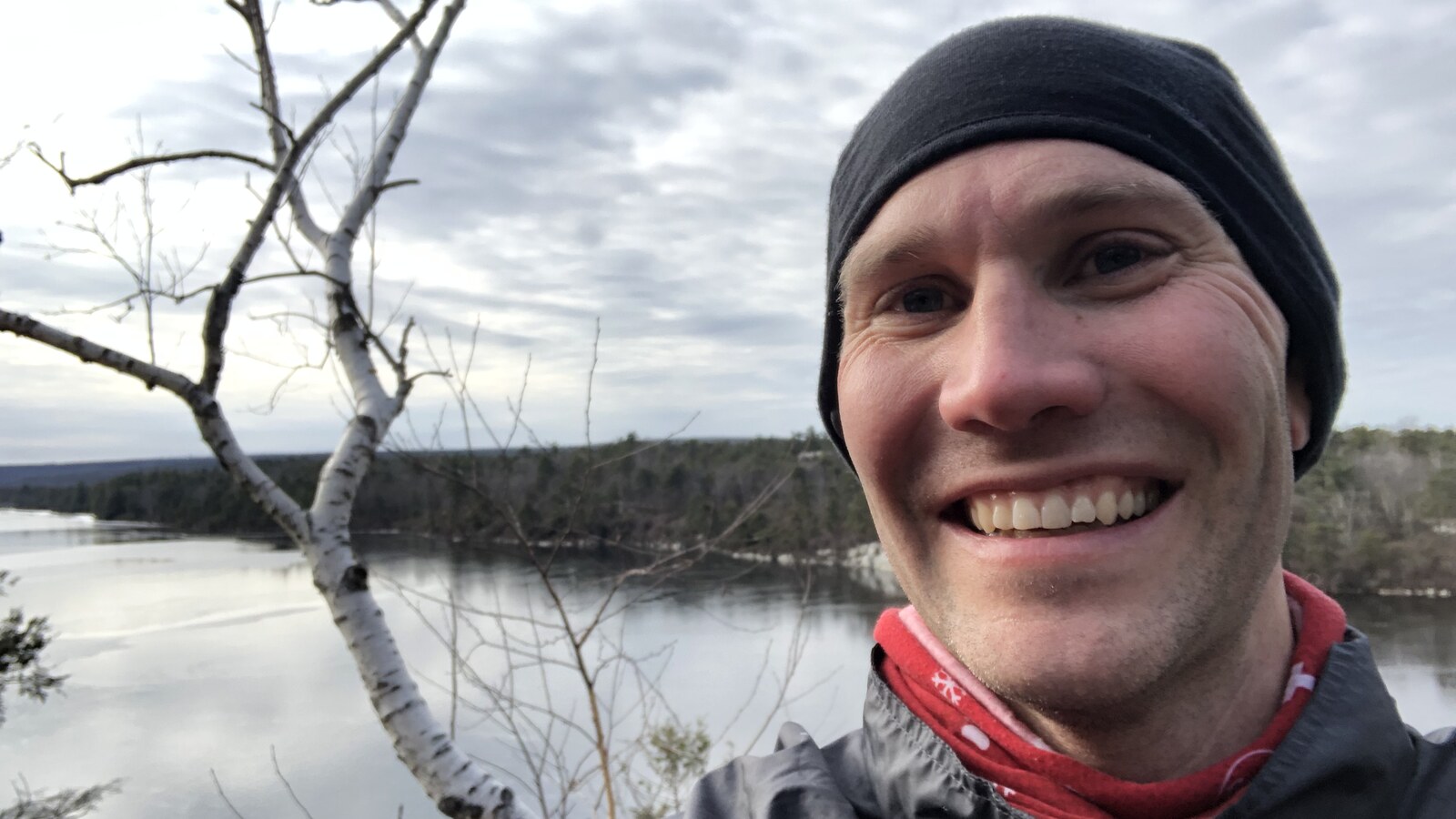
Wolf of Williamsburg in a black beanie, shirt and tie, black trousers and simple shoes, holding a steaming coffee

The endeavors.

The jobs, the companies, the side projects, and the things I keep coming back to. A lot of these were happening at the same time.

Get into the stories
All the companies & side projects

Find a thread.

Clear filters

268 stories / Engineering. Newest first.

  1. Help Needed a HomeThe Goodword help center needed its own address, even though Intercom still hosted the support articles behind it.
  2. Your Network, On StageAn April 30 Betaworks event listing put Goodword into a public discussion about networks and startup distribution.
  3. Too Many ToolsA new teammate needed the honest tour of every service Goodword used across product, marketing, and operations.
  4. Unofficial Means BetterAn informal meetup built around live Claude demos needed hosts, and my name ended up on the list.
  5. All My AI Tools, One DoorI had too many AI tools, too many separate connections, and one web portal trying to put them behind the same door.
  6. The KICKR Went QuietAn indoor trainer connected normally but stopped broadcasting power data.
  7. Three Addresses, One InboxSupport, feedback, and general Goodword email all needed to land somewhere the team would actually see it.
  8. Fine, Another ComputerI ordered a Raspberry Pi 5, more parts than the little computer needed, and another project for the pile.
  9. One List, Too Many ToolsAn opted-in email list needed a reliable trip from Google Sheets through cleanup and into Goodword's working CRM.
  10. Do Not Sort AirtableA routine list cleanup produced one blunt rule: do not edit imported Airtable records while the table is sorted.
  11. CSV or Google Sheet?One working list needed two exits: a plain CSV file and a Google Sheet people could use immediately.
  12. Please Deliver the EmailGoodword's email needed another pass through authentication and delivery before I trusted it to reach an inbox.
  13. @goodword.comGoodword work was spread across old accounts, so we started moving the company and its shared tools onto one email domain.
  14. Real Email AddressesA small startup team started moving from personal accounts to company email.
  15. Email Chris@Loop's Alpha reached outside users, which meant TestFlight permissions, Chrome allowlists, refresh bugs, screen shares, and a support plan that mostly ended with emailing me.
  16. Remove, Reinstall, Try AgainLoop's early Alpha was in outside hands, which meant backend maintenance, extension reinstalls, and manual onboarding support.
  17. Launching Soon, Still LoadingI told my network that Loop was launching soon, then sent Alpha testers a four-step checklist for the Thanksgiving deadline.
  18. Every Dollar MattersLoop needed a raw Alpha in ten days, so I hired engineering help, handed out repository access, and joined a very small team sprinting through the product gaps.
  19. Not Quite There YetI signed off on Loop's first Alpha, wrote down exactly what still did not work, and asked my running club to help me find a React Native engineer.
  20. The Pitch and Run I MissedA flat city-bike tire made me miss an investor run while Loop was still asking people to bet on an Alpha they could not test.
  21. What If the App Knows Nothing?Loop's first alpha scope turned a relationship-management idea into hard questions about imports, context, closeness, and what a brand-new user would actually see.
  22. Eight Weeks, Then LoopI left a new full-time CPTO job at Pinata to cofound Loop and start building an AI professional-networking product from scratch.
  23. Can We Be Both?A cofounder conversation about Loop became a real negotiation over ownership, pay, Pinata, Amanda, and where we could build the company.
  24. Potential Co-FounderLoop moved from product collaboration into mutual references, working-style diligence, and an email subject that finally said the quiet part out loud.
  25. We Were Calling It LoopA relationship digest, a pile of prototype prompts, and a designer kickoff turned a loose RelateAI idea into something we were calling Loop.
  26. Not Bored Enough for the Wrong ThingAfter the cross-country ride and an overseas trip, I came back to New York, finished an Apply handoff, moved into Rockaway, and started looking for the right next project.
  27. The First RainWe crossed the Mississippi, found an Illinois rail trail, and finally got properly wet at the Wabash Cannonball Bridge.
  28. I Need GitHub AccessA one-line access request put Wahoo's code repositories, my existing GitHub account, and a very Wahoo workstation in the same afternoon.
  29. Not Out, But Mostly EmptyA 65-mile ride to Cold Spring led into a storage pod, movers, and one weekend spent consolidating the house without quite finishing the move.
  30. Thread the NeedleA TRX work week in California ran directly into two days of Wahoo interviews in Atlanta, with one narrow travel handoff between them.
  31. Sorry for the Long DelayApply had licensed art, partner payouts, and more than a year of reporting I needed to get squared away.
  32. Pumped to Meet YaApply hired somebody to own fulfillment just as a 45-order weekend hit, while TRX builds and the Newport Beach commute kept moving.
  33. 10.0.7 to 10.0.10Four TRX app versions moved through Apple while I flew from New York to Newport Beach, sorted product details, and tried to keep one foot in Apply.
  34. No Apps Available to TestThe first weeks at TRX included an App Store approval, an empty TestFlight screen, a first digital operating review, and a new commute to Newport Beach.
  35. Woah, Shit's BrokeTesting the TRX class flow produced an error screen and two very direct product alerts in under two minutes.
  36. Good Feels All AroundI signed the TRX offer, asked for a May 10 start, then sent a six-part getting-started list three minutes later.
  37. Someday Never ComesA Rapchat architecture review found an old stack, a future rewrite, and a team trying to grow the system it already had.
  38. 1,153 Beta FormsApply Stickers opened a six-day beta signup, collected more than a thousand mailing addresses, and turned my inbox into a Typeform notification machine.
  39. All Hands on StickersApply launched into an ecommerce order spike, a broken payment method, finished financing, and a bubble-mailer shipment waiting on customs.
  40. We Are OfficialApply launched its 2020 voting-sticker campaign, then the founders stayed close to the support inbox and the first shipping questions.
  41. First, Fix the DuctsTwo weeks before Apply's launch, I turned an old house's HVAC work into three phases so one expensive problem did not stop everything else.
  42. No D1 Athletes From TexasThe Plague Games turned four canceled-race months into track time trials with GPS proof, tiny groups, pizza, and very specific anti-stacking rules.
  43. The Database Was a SpreadsheetApply needed to turn a growing pile of art files into a beta-ready reporting system, so the first database started in Google Sheets.
  44. Only One HundredA leadership search wanted someone who had managed 200 to 500 engineers. My org was only about 100, which was suddenly a small number.
  45. The Wrong Kind of UnicornThree recruiters pitched senior engineering roles at giant companies. I sent them the same answer: impact, ownership, and an interesting problem.
  46. One Hundred Eighty-SevenThe PPTC Marathon Training Group had 187 runners, one volunteer coaching crew, and a lot of TrainingPeaks accounts to load.
  47. No Code, Still InCyral asked me to advise on database security. I wanted the work, but first I sent Aaptiv a plain conflict check.
  48. Still Alive, Mostly RunningWork, the loft, and basic life admin were a mess. Early runs, commute miles, the Armory, and a winter trail day were still happening.
  49. Runner to Runner :)I wanted old NYRR data for a Prospect Park Track Club side project, so I emailed the runner who built RunGraphs and asked for his scraper.
  50. Twenty-Two Million, Then the WoodsAaptiv's Series C was public. I carried 35 pounds into Echo Lake, ran a ridge in absurd rain, and got the mental escape I needed.
  51. I Nearly Melted DownA month of 12-to-14-hour startup days left me exhausted and injured, even while I ran a marathon qualifier and a 17:45 road 5K.
  52. Users Don't Want to SearchA friend asked why Aaptiv had no search box just as we were rebuilding the home feed and onboarding around a different idea: help people browse.
  53. One Day Between TenantsThe old tenant, the new tenant, one service elevator, a missing form, a missing key, and a very small window to turn over my Williamsburg loft.
  54. List the Loft ImmediatelyAn early lease exit turned my 60 Broadway loft into a fast listing, showing, application, and lease sprint while the building was wrapped in construction plastic.
  55. Take the Cassette ApartI signed up to learn bicycle maintenance, pulled apart a rear wheel, and ended the day debugging a power-meter update.
  56. My Cell Worked InternationallyAmanda and I moved through Berlin, Prague, and Warsaw while Aaptiv hiring and a half-renovated Poughkeepsie house kept reaching me.
  57. Seventeen CSVs LaterI turned Aaptiv activity data into seventeen queries covering the path from the home screen to a completed class.
  58. The Network Kept WorkingA recruiter from Reonomy, a product colleague from Peek, and friends from the Shutterstock years all resurfaced while I built the team around Aaptiv.
  59. Thirty Calls This WeekI went straight from joining Aaptiv into board prep, thirty recruiting calls, and two nights a week in Python class.
  60. What Do I Do Today?While I was considering a role at Aaptiv, I tried the workouts and wrote Ethan about navigation, training plans, class data, and recommendations.
  61. Continuously Shipping ValueA newly created engineering-director role recognized the kind of cross-team leadership Reonomy needed next.
  62. Like Learning a New SportI sent a friend my plainest advice for learning to code: start with a reason, choose Python, save the work, and keep trying.
  63. Forty-Eight WeeksReonomy was looking beyond the usual recruiting channels, and a nearby startup pointed me to a full-year engineering internship program from NUS.
  64. Already Under ContractMy partners and I found a mobile-home park in Fort Wayne that matched our plan almost exactly. Somebody else had reached it first.
  65. More Interesting Than ExpectedA short conversation with Vimeo left important questions untouched, but the company itself gave me a reason to keep talking.
  66. A Lot of HorsepowerMy answer about Reonomy was short: I loved the team, the work was expanding, and the next few months would tell us a lot.
  67. Almost Ready to ShowThe side project had moved from an idea I kept describing to something I hoped a trusted friend could try within weeks.
  68. Too Much for One CallA conversation about my Shutterstock years made one thing clear: I still wanted the mess and momentum of building early.
  69. Buy the Router That WorksBetter Wi-Fi and a connected lock turned a small network problem into a short list: test it, pick it, and move on.
  70. I Wanted Better Work ToolsThe software I kept thinking about was simple to describe: tools that helped people and managers do better work together.
  71. One or Two ParksI was looking at mobile-home parks across the Midwest and wanted to understand why the market felt so inefficient.
  72. Two Days of ScalaA private Scala workshop gave the Reonomy engineers a common place to start, even though they came in with very different experience.
  73. The Offer LandedA December engineering offer moved through questions, missed calls, and benefit details before the candidate chose to join Reonomy.
  74. The Hole Before the RoadNine months after I joined Reonomy, a long onboarding email showed why new engineers needed the product history as much as the preferred architecture.
  75. The Director Search Woke UpAfter pausing the role in September, I spent early December turning engineering-leadership referrals into calls, breakfasts, and real conversations.
  76. Bourbon and Trailer ParksA Thanksgiving trip to inspect mobile-home parks turned into an introduction for bourbon, space landings, and another strange business conversation.
  77. Medium Data, Not Big DataDinner with startup friends turned into a late-night note about hiring, users, APIs, and why their business did not need a giant data stack yet.
  78. Scala Goes to LAReonomy was finishing a rebuilt data-processing pipeline for Los Angeles while I looked for temporary help to expand the ingestion team.
  79. CTOs, Tech, Then a DateA portfolio CTO gathering in New York was good enough that I asked the hosts to connect everybody after I left early for a date.
  80. Delete My 1:1sReonomy's product and engineering teams had grown, so I replaced a crowded recurring calendar with open office hours and regular goal reviews.
  81. Hold the DirectorI paused an engineering-director search and decided Reonomy needed several team leads first.
  82. Urgent, MaybeSeveral Reonomy product problems arrived as urgent reports, and the first job was separating a real outage from a narrow bug or known issue.
  83. Party by FiveAn all-day Reonomy hackathon mixed prototypes, Xbox games, drinks, and two ideas that looked worth taking toward production.
  84. Button This UpReonomy's new office needed internet, phones, weekend access, and one final push before the team could work there Monday.
  85. It Went Out EarlyA feature reached production before it was supposed to, and the repair started with an apology to the teams who depended on the release process.
  86. VP Engineering, Pulling CableI came back from family matters to an office move and an urgent search for somebody who could pull Cat5 cable.
  87. A Pubic Hair AwayWe needed a narrower product, a reliable data API, and mock routes that let the front-end and data teams work in parallel.
  88. Pick a WikiReonomy needed one searchable place for its processes, and I did not want the tool choice to become another long project.
  89. Dead in the WaterMy phone kept losing data in New York, which meant losing the calendar, Uber, and most of the systems holding the day together.
  90. Stop Everything MondayRecurring outages had become serious enough that I ordered a full work stoppage until two critical blockers were resolved.
  91. Pre-Profit InternetMoving Reonomy into a new office meant finding business-grade internet without spending like a business that had profits.
  92. Wildly UngroomedThe backlogs were a mess, so we put the work on a wall and started building a cadence around it.
  93. One CalendarMy first full-time week at Reonomy started with one small, excellent change: three calendars had finally become one.
  94. One Last HandoffMy final week at Shutterstock was about transferring every remaining responsibility before starting at Reonomy.
  95. Christmas Week Security CallDuring a possible Shutterstock account-security incident, I tried to get the technical investigation and customer communication moving at the same time.
  96. There's Legs HereA friend had a working prototype for cloud development environments. I wanted to help figure out whether it could become a company.
  97. Storage Was Everybody's ProblemThe storage problem was too important to keep inside one operations circle, so I started identifying product owners and engineers to involve early.
  98. The Very Good News GraphCompleting the private MPLS ring moved data-center traffic behind the firewalls and changed the long-term capital curve.
  99. The Queues Hit ZeroA storage push reached 4.8 gigabits on the trackers, cleared the queues, and gave us room to retire devices more aggressively.
  100. $36 a MonthA first pass at Shutterstock's private-cloud economics put a large virtual machine at $36 per month against $260 in AWS.
  101. West Coast, One PanelA quick West Coast trip for an industry panel became another chance to connect the systems work at Shutterstock with the broader startup network.
  102. Everybody Was Getting DDoSedA roomful of infrastructure leaders confirmed that large denial-of-service attacks had become an industry problem, not a Shutterstock anomaly.
  103. Heartbleed, Then Everything ElseWe patched Shutterstock quickly, rotated security keys, and worked to tell customers what happened without implying a breach we had not found.
  104. London Forgot to Tell UsAn office move in London reached the technology team after planning was already underway, which made a small email into a process correction.
  105. Build the FortressA sustained DDoS attack forced us to abandon the original tunnel design and build private paths into our mitigation provider.
  106. The Empire State Went DarkA Sunday power issue sent us back into the new office to verify network rooms, battery systems, and supplemental cooling.
  107. Break It on PurposeA failed firewall had left the production pair out of sync, so the safer choice was a controlled maintenance window instead of waiting for another failure.
  108. $2 Million Before MidnightThe last day of 2013 ended with major infrastructure orders, spare transceivers, and the practical consequences of a year-end deadline.
  109. $4.6M Became $2.4MA year-end network purchase moved from a $4.6 million list price to $2.4 million after discounts and negotiation.
  110. Move First, Network LaterThe Empire State Building office could open, but bandwidth would arrive in stages and the final design was still months away.
  111. Dinner With the Infrastructure PeopleA post-Thanksgiving invitation from General Catalyst was a reminder that the infrastructure community was becoming part of my work too.
  112. Everyone Ships CodeAt the 2013 OpenStack Summit, I explained how Shutterstock provisioned virtual machines and physical servers through one automated system.
  113. Storage Got FastA sharp improvement in storage latency came from spreading writes across nodes and throttling network traffic in the kernel.
  114. Zero Under-Replicated BlocksFour new Hadoop data nodes pushed an important storage health metric all the way down to zero.
  115. 800,000 a SecondDatadog was interesting, but Shutterstock's monitoring volume meant the useful experiment was smaller and more specific than sending everything offsite.
  116. Two More ThingsA work-from-home Friday still had two storage jobs on the list: enable a read slave and verify the correct load balancer.
  117. Double ItA one-line Friday instruction captures the long, unglamorous work of moving a very large storage system.
  118. Can We Publish This?A request to publish Shutterstock architecture diagrams became a small lesson in supporting engineers who wanted to teach in public.
  119. Same Tools, Different SizeDev, QA, and production did not need identical scale, but they did need the same tools, deployment path, operating system, and testing discipline.
  120. Please Give Us IPv4A late-June ARIN update records the administrative work behind obtaining public internet address space for Shutterstock.
  121. We Needed More HumansA June recruiting email described Shutterstock's WebOps team as it looked for operations engineers for the company's next phase of growth.
  122. Make the Outage PublicA simple public Shutterstock status page pulled product, social, and infrastructure into the same work.
  123. Search Had One GuyA departing specialist created a knowledge gap around Shutterstock's search infrastructure and started a discussion about coverage and hiring.
  124. Thirteen Minutes DownA missing configuration in a new deployment system took a Shutterstock service offline for thirteen minutes.
  125. Ten Minutes. Go.The first opportunity assessments for Shutterstock's technology syndicate were ready for a ten-minute leadership review.
  126. 110 Days to GoA storage rebalance was about ten percent complete after twelve days, with an estimated 110 days still to run.
  127. Who Owns This?A March thread asked whether Shutterstock had formal technical owners and started a written process for defining the role.
  128. Offsite: Uptime FirstThe agenda for a March technology leadership offsite started with service uptime, programming languages, syndicates, and more consistent environments.
  129. AWS Was Still ThereAn internal question in February 2013 asked when Shutterstock's development and QA environments would move from AWS back to the office.
  130. Put It on the WallShutterstock restored office monitors showing overall system health, automated tests, and search speed where the teams could see them.
  131. More RAM. Again.A January hardware plan counted the memory modules needed for Shutterstock's search and database servers.
  132. The Circuit Waited for MeA short Monday email asked me to help the Shutterstock team work through a weekend network circuit outage.
  133. Humans Worked. Alert Failed.The Shutterstock mobile site worked when we tested it by hand, but one automated check still failed and needed an owner.
  134. Define DevOpsA friend needed a DevOps hire. Before naming anybody, I needed to know what he meant.
  135. There's a Startup in ThereOptopus was a little piece of software with enough of an idea inside it to justify lunch.
  136. Calling From a Wine CellarA monitoring demo followed me from San Francisco to the mountains to Napa, where the only honest location update was the wine cellar.
  137. One Second Broke EverythingA leap second hit the servers while family was visiting, and the phone would not stop being part of the room.
  138. Bring Him InA technical recruiting conversation moved from an introduction to a phone call to one short decision.
  139. Quiet Rack, PleaseThe new office equipment had two requirements: keep it enclosed and do not make the room sound like a data center.
  140. No OutageA week after postponing the work, Shutterstock moved its main databases to Boston without taking the site down.
  141. Still HereThe whole operations team was still provisioning a new data center, so the next database cutover could wait.
  142. Boston Takes the TrafficThe web servers had moved. Next came the part customers could actually hit: production traffic.
  143. Make It FasterA new Akamai product might speed up more than static images. First, it had to work on the real site.
  144. Moderately CrazyShutterstock had grown. The office network had grown with it, just without much of a plan.
  145. Make Local WorkThe infrastructure goal was basic: every developer should have a standard environment that worked on a laptop.
  146. Someone Should Build ThisA side-project idea started with a simple gap: site-speed tools were expensive, slow, and built for big companies.
  147. Before Monday Showed UpWe put real load through a new Shutterstock network layout over the weekend and found a bottleneck before Monday traffic arrived.
  148. One Petabyte. Three Sites.An October announcement draft documented more than one petabyte of Shutterstock storage across three sites.
  149. The Graph DroppedA speed release aimed at distant users landed, and the first measurements moved in the right direction.
  150. Two More CabinetsI asked our provider for one or two short-term data-center cabinets, preferably month to month.
  151. How Long on Diesel?Hurricane Irene produced one blunt question about backup power and time.
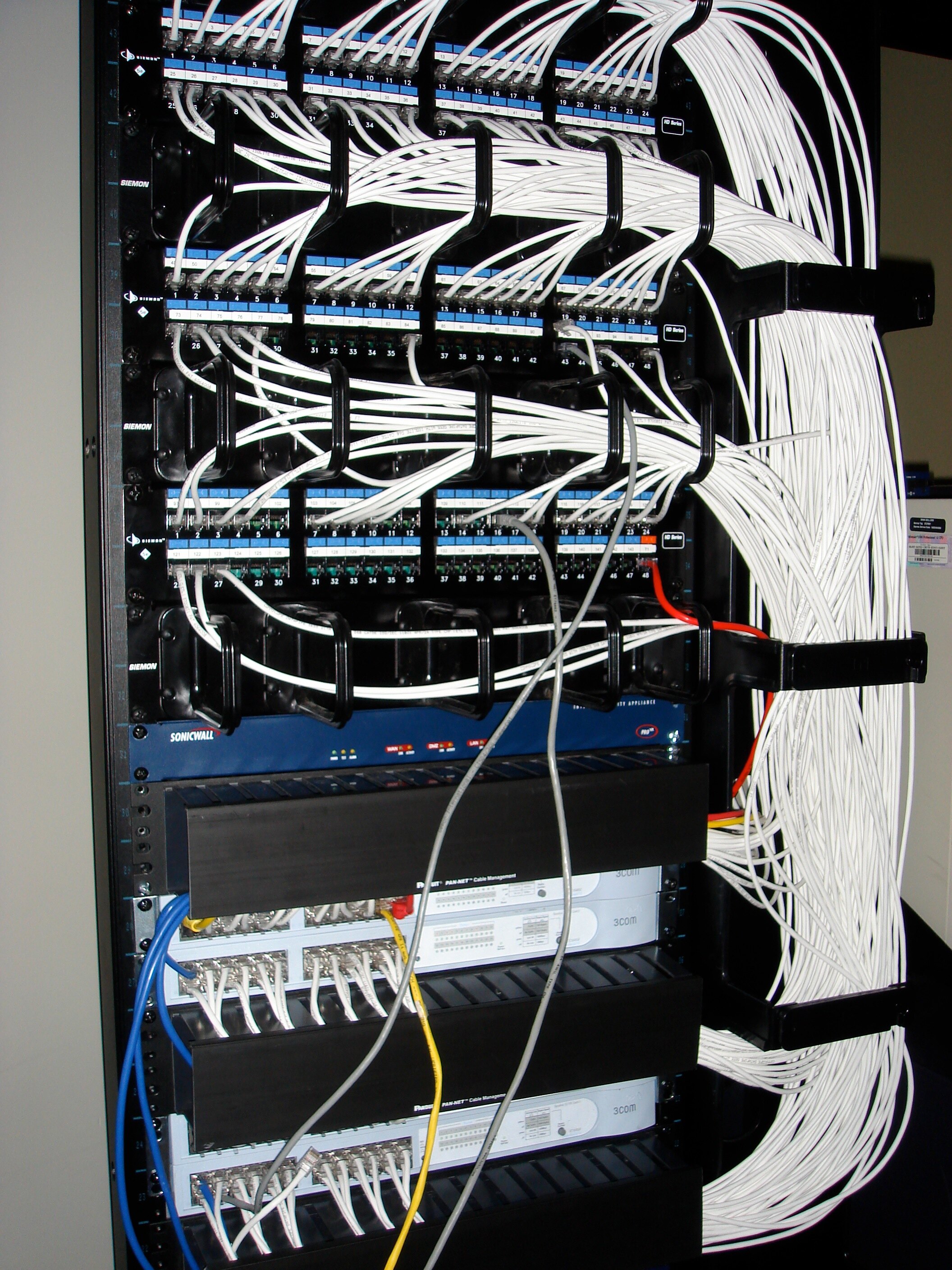
  152. Contributors Couldn't UploadAn upload-server issue blocked part of the contributor base while the team restored storage and explored a reroute.
  153. Four Rooms, One HangoutDevelopers and WebOps troubleshot one issue from two Manhattan floors, Denver, and my apartment.
  154. Get AggressiveI wanted to move the MogileFS conversation from research toward the real Shutterstock and Bigstock libraries.
  155. Three to Six-ThirtyThe site stayed up through an overnight database and search problem whose cause was still unclear.
  156. Typos Were InfrastructureThe DNS migration started with a long inventory of domains, brand variations, and names collected over time.
  157. Tier I, PleaseThe 2011 email said “Tier1,” but the real idea was to use the facility as a foundation for infrastructure we designed ourselves.
  158. Eight to Ten SecondsThe maintenance plan accepted one small site blip to reduce a much larger power risk.
  159. Data Server IssuesIssues around the data servers had contributed to a recent outage, so I asked for a conversation that day.
  160. Replication LagReplication lag had shown up again, and I wanted systems and development looking at it together.
  161. Kill Spanning TreeThree of us went to the data center to replace the old switches and simplify the network.
  162. Still a Little SpikyA smaller log sample made the error graph easier to read, but the monitoring experiment still needed a second opinion.
  163. The Firewall Didn'tA failover failed, the console path worked, and my laptop was sitting at happy hour.
  164. Fun ShizMogileFS, Xen, deployment graphs, and a weekend in the office sounded like a good time.
  165. By HandAn email with no body, a server-room rack, and a lot of carefully routed white cable.
  166. Call Me When It Goes DownTwo months into Shutterstock, I asked the systems team to call me for every critical alert while I learned the environment.
  167. One Terabyte, Three CopiesI changed the copy path for more than a terabyte of data to reduce load on the production systems.
  168. I Love BIND FilesI set up PowerDNS with a MySQL backend because database records were easier to automate than hand-edited BIND files.
  169. Ops Dojo, DelawareBy the end of October, Ops Dojo was a Delaware S corporation with equal founders and an unsettled software plan.
  170. I Officially AcceptedThe second conversation with Shutterstock ended with a Director of Systems Operations job.
  171. Miserable WeekA new Amsterdam data center, school, and a side company all landed in the same seven days.
  172. Monk Got a LogoMonk Networks was still a rough business plan, but now it had a very orange face.
  173. One More ShotSeven months after turning down one Shutterstock job, I asked the company to take another look at me.
  174. Outsource the Whole ThingThe early Monk Networks pitch was simple: give a startup an operations department without making it build one.
  175. Done and DoneTwo hours after an advisor asked for a one-page business summary, the first Monk Networks pitch was moving.
  176. Three Weeks, No CardBaker said the school debit card was coming. Classes were getting close, and it still had not arrived.
  177. New BeginningsI asked an old Beatport executive to help build a managed-infrastructure company on the side.
  178. Tunnels Show Up AgainThe old Peek mobile-network integration came back to life after months of routing questions and another round of troubleshooting.
  179. SuzieQ Had EmailA small fashion business needed Google Apps, two working inboxes, and somebody to explain how to get into them.
  180. Can Work Count as Credits?I went back to Baker College and asked whether years as an IT director and CTO could help finish the degree I had left open.
  181. Please Take This JobReality Check needed an infrastructure engineer. I wanted somebody I trusted and was already tired of interviewing.
  182. We Built an Air CompressorAn old family photo showed my brother and me grinning behind industrial machinery in the machine shop where I once lived.
  183. Sick of Gluster ConfigsThe storage proof of concept worked. I wanted four nodes, real performance data, and then a break from staring at it.
  184. Two Days, Cool GraphsReality Check tried two-week sprints, small tasks, daily updates, and a chart that became interesting almost immediately.
  185. Sure, Just Call MeI had left Peek for a new CTO job. The old team still needed help with the network, and I still answered.
  186. Passion Now. Safe Later.Facebook, Shutterstock, and Reality Check offered three different futures. I chose the fifteen-person hosting company.
  187. The Rows Didn't MatchA database import kept producing the wrong row count during a week that also included illness and a London data-center trip.
  188. The Data Center Needed a CarA consulting job in Somerset required a rental car because I could not find a practical transit route from Manhattan.
  189. Tmptrash FirstThe GetGlue logs needed to leave the servers without disappearing before I knew the S3 copy was good.
  190. References ClearedAdaptiveBlue offered me a consulting systems job, my old Beatport references checked out, and I had no scanner.
  191. Sorry for the Email LookupCraigslist replies had failed me before, so I found the founder's address and made sure my half-time Linux application reached a person.
  192. How Many Tracks?After Beatport I helped think through storage, catalog size, interfaces, and customers for a new high-quality music store idea.
  193. Where All Trac Updates GoThe first TechOps list test bounced. Two minutes later, I tried again with a destination for every Peek infrastructure ticket.
  194. Add One SpaceAfter leaving Yodle, I kept helping with its Zenoss monitoring and proposed one space to stop a loose process match.
  195. Off EC2 in Twelve MonthsPeek had more than fifty compute nodes in Amazon, and I was already pricing the first half cabinet for our own equipment.
  196. Official. Again.A few weeks after joining Yodle, I gave notice and took the Director of Technical Operations job at Peek.
  197. Almost to IndianaWe were driving our belongings east while Peek was already asking me to price a data center and route traffic back to Amazon.
  198. Nobody Answered at 3 A.M.A Peek email outage lasted four hours because the POP nodes failed overnight and nobody answered the monitoring call.
  199. BGP EstablishedA new autonomous-system number, two network providers, and one multihop setting finally brought the session up.
  200. Twenty-Four Months DustyA technical phone screen exposed the difference between doing systems work and reciting it from memory.
  201. Third Time, Same Unix JobThe Unix administrator job kept appearing on Craigslist, so I sent a third application and explained why I still wanted hands-on work.
  202. Scrub the Network DiagramI offered a security-scrubbed Beatport network diagram as a work sample, but asked before sending it.
  203. Rootkit Checks for EverybodyOne compromised consulting server was taken offline for reprovisioning, and I planned rootkit checks across the remaining systems.
  204. Delete the Stale LockA noisy MRTG process looked mysterious until the problem came down to one stale lock file.
  205. One Service at a TimeAn after-hours firewall and Linux Virtual Server rebuild needed a simple plan and very short outages.
  206. Twenty Hours, Still GoingA major Beatport deployment had run for twenty hours, and I was still trying to make the meeting for another side job.
  207. More Than 300 DevicesBeatport's always-on infrastructure had grown beyond 300 devices, with a seven-person systems and network team responsible for it.
  208. I Needed a Night ShiftI was Beatport's IT director and applying for night and weekend data-center work because my family needed more money.
  209. The Server Racks WonI studied molecular biology but spent most of my time learning Linux, Unix, storage, and distributed systems on hardware in my basement.
  210. Five VMs. One Desktop.I rebuilt a client's Linux load-balancing setup in virtual machines and tested production-style routing and failover from my desk.
  211. Steve and Barry Needed RAIDTwo client servers with ordinary names needed software RAID, LDAP work, package cleanup, and a lot of careful retracing.
  212. PTR Records. ASAP.A reverse-DNS failure stopped a consulting client's production mail and turned a long domain list into an urgent provider ticket.
  213. Fifteen Hours Every Two WeeksMy first consulting invoice came with a request for more hours and a growing list of firewall, colocation, monitoring, and load-balancing work.
  214. The NDA Was SignedOne month after I started looking for extra Linux work, I signed the paperwork for a real consulting client.
  215. A Second Shift From HomeI was Beatport's IT director and answered a Craigslist Linux job with an offer to work remotely at night and on weekends.
  216. The License Did Not HoldA German court restricted Beatport's new European licensing arrangement only weeks after it was announced.
  217. Welcome to PhotobucketA Photobucket welcome email confirmed that I had opened an account, but it did not include a first upload.
  218. One License. Twenty-Seven Countries.Beatport and Buma/Stemra announced a pan-European music license intended to cover the full European Union.
  219. apt-get WifeA Digg URL ending in APT_GET_WIFE arrived with one sentence and an antivirus footer.
  220. Open Source EverythingA friend sent a security link with the subject line, Why All security should be open source.
  221. The Signature Was LongerMy Beatport email signature had grown into five products, two phone numbers, a trademark, and almost no actual message.
  222. Linux Admin, AgainA recruiter sent a six-month Linux systems contract while I was already leading infrastructure at Beatport.
  223. A Few HoursMy new reseller hosting account took days to appear while I had web-hosting clients waiting for it.
  224. Still No Welcome LetterI ordered a VPS, confirmed it by phone, and then waited for login details that had not arrived.
  225. Do I Need to Reformat?A friend's Linux storage question landed in my Gmail chat while I was running infrastructure for Beatport in Denver.
  226. Hiring Outlook: 2008The new year opened with automated IT job alerts while I was already running infrastructure at Beatport.
  227. Welcome to YouTubeA YouTube welcome message asked me to confirm my email before uploading videos or posting comments.
  228. The Phone Bill Kept ComingThe same Beatport wireless bill notice reached my personal Gmail at the end of five straight months.
  229. Data Center Specialist, AgainThe same recruiter sent the same data center specialist request on two consecutive days.
  230. The Job Alerts Wouldn't DieDice, Monster, and recruiters kept matching an old online resume while I was already running technology at Beatport.
  231. Customer CornerViaWest featured Beatport beside Mozy in its customer newsletter while I managed Beatport's hosted infrastructure there.
  232. Refund NeededI paid for an online NFL channel, found it offline, and asked for my money back.
  233. 7:45 Eastern. 5:45 Denver.An ESPN time-zone setting moved our fantasy football draft and started another round of corrections.
  234. Extra Work After WorkI introduced myself as Beatport's IT director and asked about additional systems administration work.
  235. Beatport, TwiceA wireless bill notice reached my personal Gmail with the greeting BEATPORT BEATPORT.
  236. The Resume Kept WorkingRecruiter messages kept finding an online resume after I used Beatport's infrastructure numbers in job applications.
  237. Nine Web ServersA job application listed the web servers, databases, storage, traffic, and uptime I managed at Beatport.
  238. Renewed. Still Not Launched.An automatic domain renewal kept a name registered for another year without proving a project had launched.
  239. The Domain Renewal PileA fifteen-day registrar notice put another group of old domain names back on the decision list.
  240. Playing Catch-upFour Facebook photo-tag notices arrived from an album called Playing Catch-up.
  241. Recommended Track, Working EmailA test of Beatport's release-recommendation email used placeholder text and a real Strictly Rhythm track.
  242. New Title. Same Tests.My Beatport signature now said Director of Information Technology, but I was still sending messages through the system by hand.
  243. The Client Came BackEven after Praxis ended, a former client still needed help finding and preserving old webmail files.
  244. Praxis Kept GoingPraxis was entering its fifth year of systems and network consulting beside my full-time work.
  245. The Test Wouldn't DieBeatport's mail tests continued into December, alongside lingering consulting work and a company that never really closed.
  246. I Was Literally in the OfficeThe funniest line in a month of mail tests was an out-of-office reply explaining that I was actually sitting at work.
  247. I Wasn't Actually AwayAn outside Gmail message triggered a test response from Beatport's vacation responder.
  248. Mail Logs ForeverBeatport's early email setup required a week of tests across queues, lists, outside addresses, and vacation replies.
  249. The Org Chart AttachmentTwo weeks into Beatport, a Visio org chart arrived beside the account and mail-path tests already filling my new inbox.
  250. Beatport OfferA September interview at a small Denver online music store turned into a written systems-administration offer six days later.
  251. Linux on His PhoneA friend sent me a link to a Linux port for his Windows Pocket PC phone.
  252. New Account. Same Tests.A new work account went through the familiar ritual of sending mail back and forth until both directions worked.
  253. Answer by MondayA Friday company visit turned into a written systems-job offer with a Monday deadline.
  254. The Resume, TwiceI applied through Dice, then sent the network-administrator resume directly because I did not trust the automated system to deliver it.
  255. Someone Forgot the DomainA BMX forum disappeared behind an advertising page when its domain expired, then returned after the operator renewed it.
  256. Patch It or ElseMy hosting provider planned to upgrade every managed phpBB forum to version 2.0.20 after new security vulnerabilities were found.
  257. Denver Was HiringA Dice employment report arrived while I was applying for network, Linux, Unix, and systems roles around Denver.
  258. $8 Million LaterWestar Aerospace acquired SimAuthor for $8 million while I was responsible for its network, systems, security, and in-house data center.
  259. The Data Center Came HomeI rebuilt SimAuthor's network and moved the aviation software company's data center back inside its sixty-person office.
  260. Linux Jobs. All of Them.One Monday produced a pile of resumes for Linux support, network administration, and consulting work.
  261. Still Testing EmailRepeated test messages between my personal Gmail and SimAuthor account show a month of checking the mail path in both directions.
  262. Back to CU?While working at SimAuthor, I sent my resume to former CU colleagues and asked them to keep me in mind for administrator roles.
  263. Two Xeons, PleaseA used pair of 3.06 GHz Intel Xeon processors was part of how I kept building and learning on my own hardware.
  264. Free VPN. Merry Christmas.A former CU colleague sent me OpenVPN, security, and network-tool links while I was working across SimAuthor and Praxis.
  265. Italy Blocked EverythingA network in Italy allowed web traffic but blocked the VPN, SSH, remote desktop, and dial-out access I needed for work.
  266. Test. Test. SimAuthor.A short run of test messages in November 2005 shows me checking delivery between Gmail and SimAuthor accounts.
  267. The Raptors Were DeadTwo Western Digital Raptor drives from an eBay purchase had failed, so I asked the seller to take them back and issue a refund.
  268. Gmail, Denver, DoneA new Gmail account handled a Denver flight, a friend's invitation, and the same mail tests I was still running against SimAuthor.