A friend asked me how I got into technology. It was a fair question because I had gone to school for molecular biology and was still six credits short of the degree.
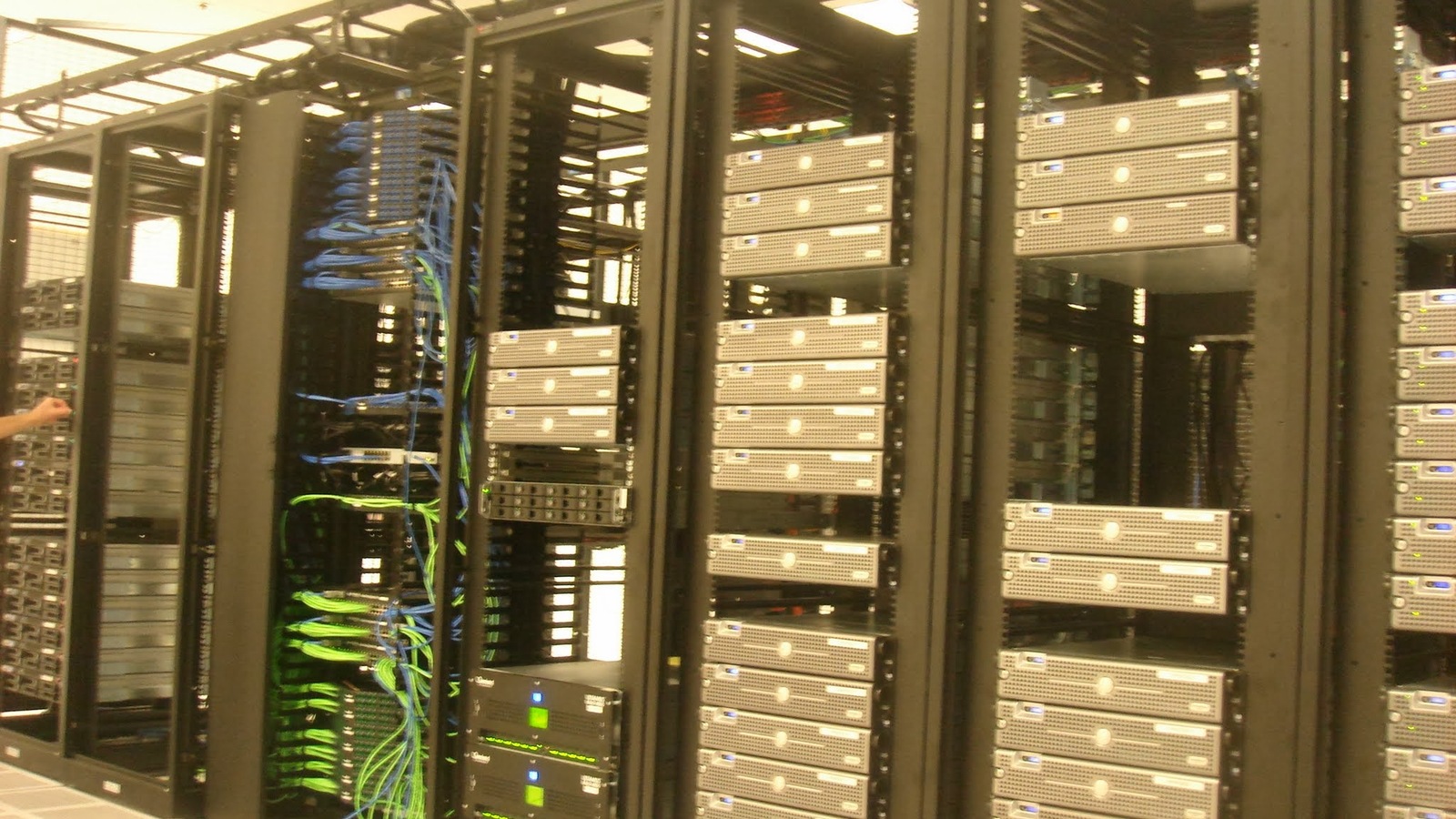
I had been skipping classes, earning pretty mediocre grades, and staying up day and night with server racks. I wanted to understand systems, storage, Linux, Unix, HP-UX, Tru64, distributed systems, LAMP, SOA, and basically every other technical phrase I could find in a book or on a screen.
I did not have a detailed career plan. I found something I was good at and spent most of my time learning it.
My first years in the work were hands-on. At CES Controls I did network and systems administration, programming, and field work. At the University of Colorado Boulder I moved into senior systems administration and security work. I was promoted there in January 2003. At the same time, I co-founded Praxis Technology and served as its president and CTO. Praxis ran from January 2003 into January 2007 alongside the full-time jobs.
From 2004 to 2006 I worked on systems and networks at SimAuthor in Boulder. The company built flight-data visualization and simulation software. That meant taking information from an aircraft and turning it into something people could replay, inspect, and use for safety, training, and analysis. In March 2006, Westar Aerospace acquired SimAuthor for $8 million in cash. The announcement described a Colorado software and services company working in flight operations and simulation. I was responsible for systems, networks, security, engineering labs, and an in-house data-center rebuild.
By September 2006 I was at Beatport as a senior systems administrator. Beatport had started only two years earlier as a download store for DJs. I was promoted to lead the technology function in January 2007, with responsibility for the team, architecture, budgets, and continued growth.
When my friend asked for advice, I wrote that Beatport had grown from around 20 employees to around 120 during my time there. That is my recollection of the headcount, not a company report. The point I made to him was that I had to keep learning as the work grew.
I do not feel finished. I enjoy the work and my day-to-day life, but there is a lot more I want to understand.
I told my friend that my path was to learn a trade in as much detail as possible and find ways to make it useful to other people. It is the only example I can give from my own life. I also told him to let me know how things go.
I am still six credits short of the molecular biology degree. I am also running the systems behind a growing online music company. Both are true today.