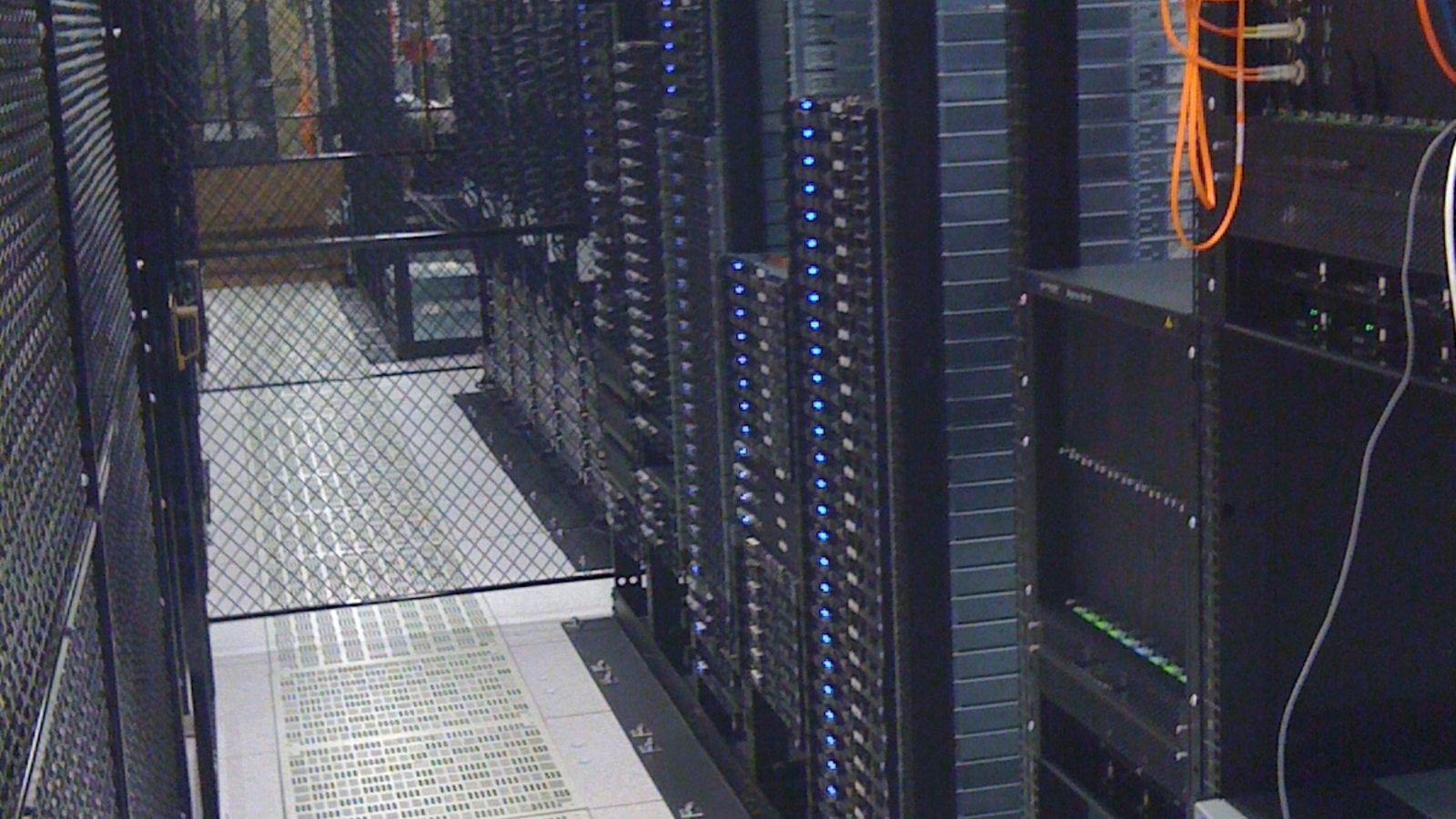
The Gluster proof of concept is done.
It is also running a real customer workload, so I am taking it to the next level.
The network switches in the same work bucket are fixed too, including finally enabling SSH.
The next setup uses replication and distribution across four nodes. The story is straightforward: as a managed storage provider, we need a scalable, reliable, high-performance system for our own data, customer data, centralized file shares, and virtual machines.
I have already tested the older Gluster platform and Gluster 2.x. Both were missing features we need. Gluster 3.x looks much better. I may run it over Solaris and use ZFS underneath it.
I want two or three more weeks of performance data in several configurations before saying much more.
The existing storage pain should also drop after the VMware migration. That is about a week and a half away. It will not remove every bug, but it should turn the daily headache into smaller annoyances.
I gave myself two more days to finish the four-node replicated and distributed cluster.
Then I am taking a break from Gluster for at least a day.
There is plenty waiting: a customer network proposal, firewalls, OpenVPN, layer-three switch upgrades, and VMware servers that need to move onto our defined hypervisors. I am also sick of working without a VPN.
Mostly, I am sick of staring at this filesystem and its translator configs ;)
The proof of concept works. I want the performance data.
I also want to look at literally anything else.