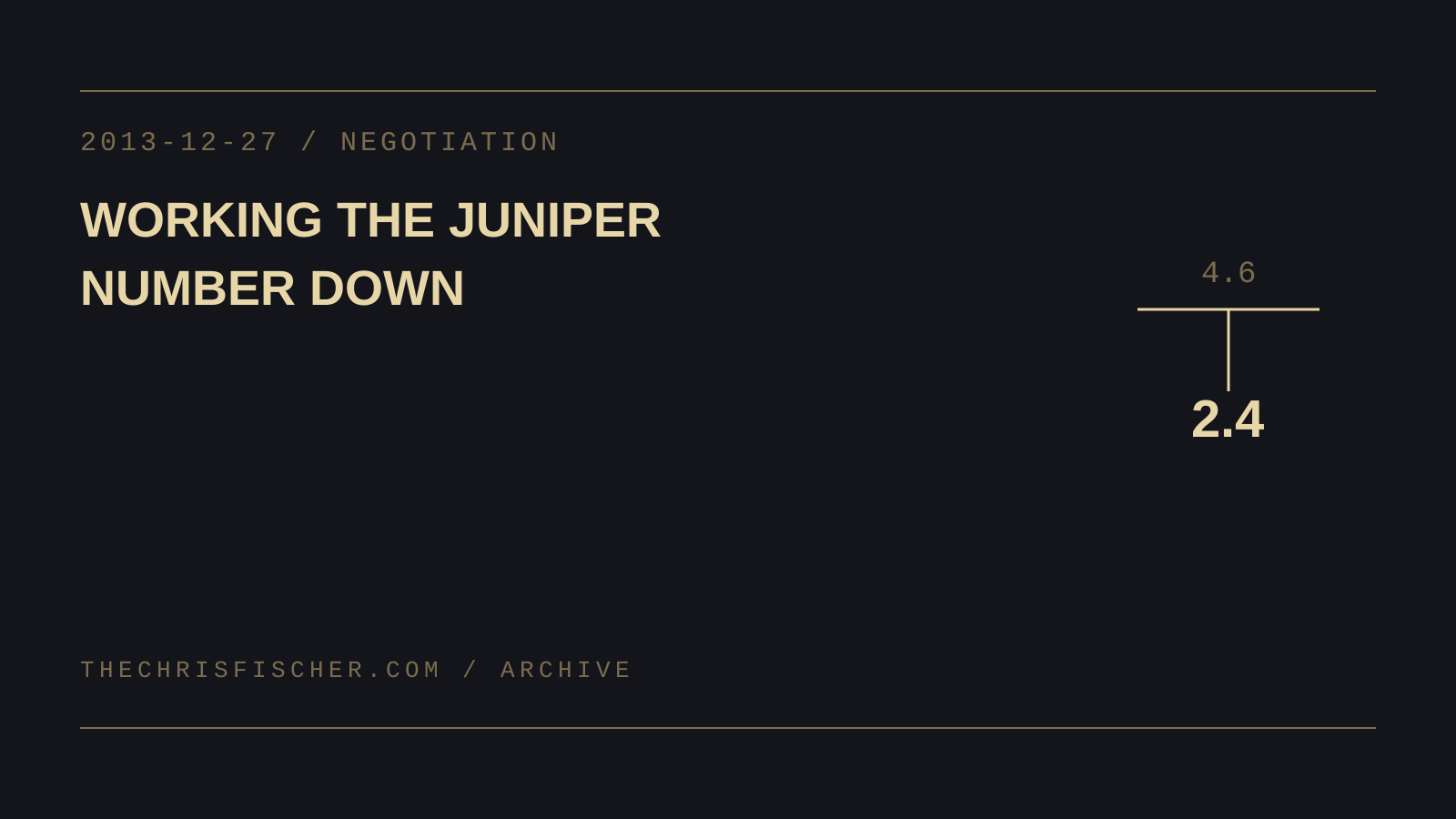
The network equipment had a $4.6 million list price. I wanted it closer to $2.4 million.
Our normal volume discount would have brought the package to roughly $3.15 million. The final negotiation removed another $750,000 beyond that existing discount level. It was a significant reduction, and I was happy with the number.
There was a catch: we needed to finish the purchase before the year ended to secure it.
That is how a lot of year-end infrastructure buying works. The equipment plan comes from technical requirements, but the final decision sits at the intersection of capacity, finance, timing, vendor incentives, and the risk of buying the wrong shape of future.
The size of the list price did not make it the right purchase. Neither did the size of the discount. A company saves nothing by getting a wonderful deal on hardware it does not need. The spreadsheets still had to map the equipment to the network plan across the locations we were building and upgrading.
Once the technical case held, negotiation became part of the operating job. At Shutterstock’s scale, a percentage point was real money. The difference between the first serious quote and the final number could fund people, capacity, or a lot of smaller projects elsewhere in the company.
I sent the final sheets for review, looped in the people who might need to sign while others were away, and asked for a decision on Monday. Holiday schedules did not change the deadline.
I remember this kind of work as a different form of systems thinking. The vendor has a calendar. Finance has a budget. Operations has a delivery sequence. The network has a design. If any of those pieces drift too far apart, the company either pays more, waits longer, or owns boxes that do not solve the intended problem.
The final price was still a large commitment. The point was not that $2.4 million felt cheap. It was that we had a plan, had pushed the economics hard, and had moved the proposal into the range we had budgeted.
Now we had four days to close it.