Recruiting at Aaptiv pulled several chapters of my career into the same week.
The best recruiter I had worked with was coming in for an interview.
We had worked together at Reonomy, where she did much more than find candidates. She had run human-resources work and helped drive company planning. Aaptiv was looking for a head of talent who could also help with onboarding and some of the operational work around a growing team.
I sent another leader a short note before her interview. Try to spend thirty minutes with her. She would be a great person to have around.
He replied eight minutes later. He would make the time.
That exchange sat in the middle of a week full of people from earlier chapters.
A friend from the early Shutterstock years introduced me to another engineering leader visiting New York. His note said we were the two people he had relied on most for engineering and product advice. I asked when the visitor was free.
Another longtime friend connected me with a venture investor. His introduction skipped the polished bio and went straight to the useful history: I had run technology at Shutterstock during the years leading to the IPO and was now at Aaptiv. We started trying to find time for coffee.
A venture contact also asked me for a reference on a product candidate. I had worked with him at Peek, before Shutterstock and before his later roles. I could not speak to his current skills because we had not stayed close, so I said exactly that. I could say that he had been proactive, smart, committed, valuable to the team, and well respected when we worked together.
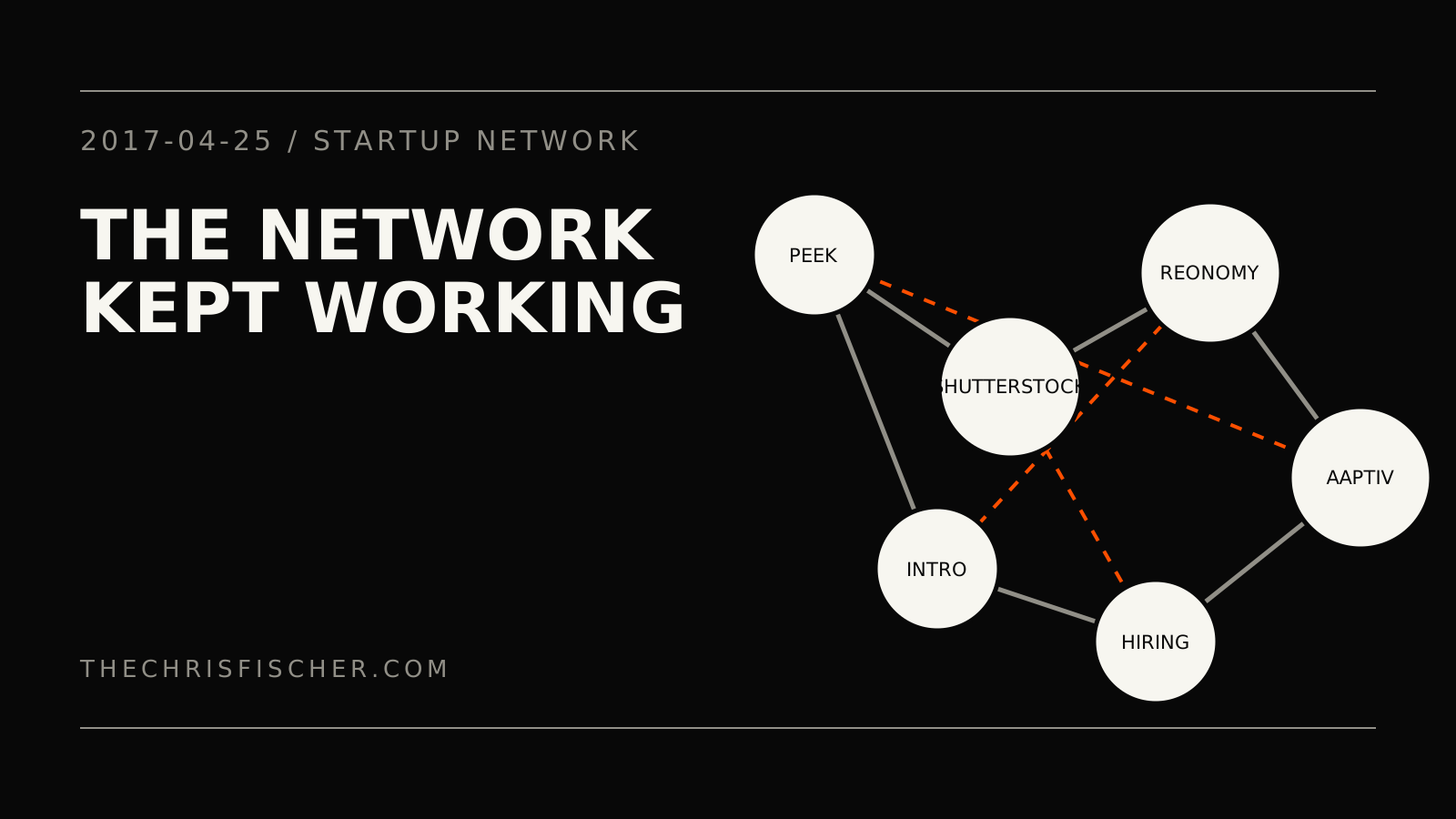
Peek. Shutterstock. Reonomy. Aaptiv. The threads crossed more than a decade, but none of the emails felt like a reunion.
They all had something to do: make time for an interview, compare notes with another engineering leader, schedule a coffee, or give an honest reference.
By Friday I had an interview, an engineering conversation, a coffee to schedule, and one reference sent. That was what the network looked like that week.