Wolf of
Williamsburg

We’ve all heard of The Wolf of Wall Street. Williamsburg is not Wall Street.

I spent most of my tech career living and building in this neighborhood. I watched it change, and changed right along with it, while staying curious enough to chase every crazy idea that came along. Success was always more about the journey and the stories than the big payday.

This page is the timeline of that. Every company, side project, business, property play, hustle, and ridiculous commercial idea I’ve tried. The ones that worked, the ones that failed, and the ones that never made it past a conversation.

Right now I’m the co-founder and CPTO of Goodword, an AI relationship management platform. I’m also continuing Wolf Works, my growth and AI advisory practice, and launching Wolf Works Labs, an incubator and accelerator for early founders who need someone to build their MVP and help them raise financing.
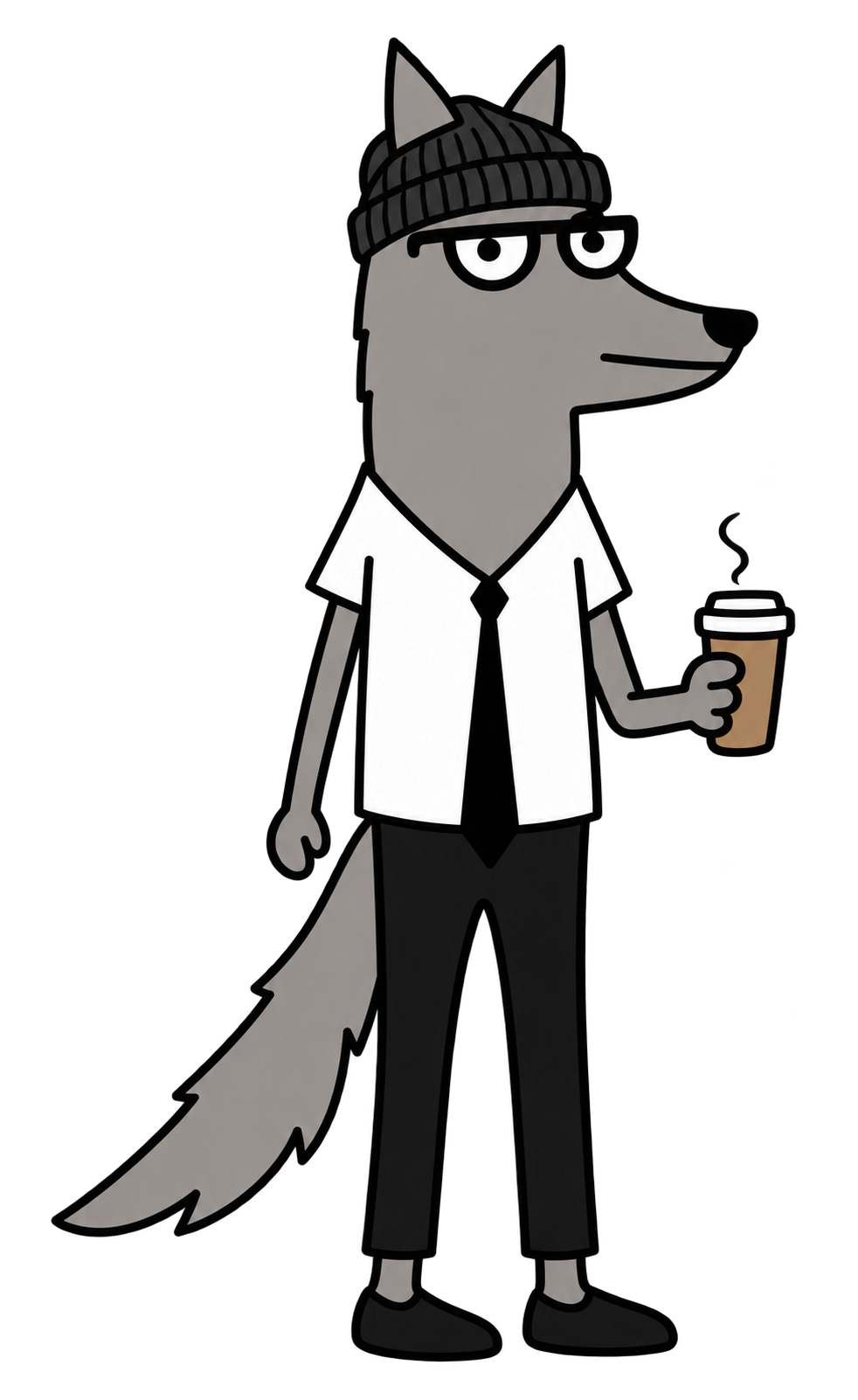
Wolf of Williamsburg in a black beanie, shirt and tie, black trousers and simple shoes, holding a steaming coffee

The endeavors.

The jobs, the companies, the side projects, and the things I keep coming back to. A lot of these were happening at the same time.

Get into the stories
All the companies & side projects

Find a thread.

Clear filters

127 stories / Building products. Newest first.

  1. Onboarding, AgainGoodword's revised application went live with a new onboarding path that began after the paywall.
  2. IRL ModeThe meetup was over, so the follow-up shared the recording and gave everybody a reason to try Goodword's IRL Mode.
  3. Android, FinallyGoodword finally reached Google Play, giving the Android application a public store listing and download path.
  4. Too Many ToolsA new teammate needed the honest tour of every service Goodword used across product, marketing, and operations.
  5. Meetings Need a DebriefAn AI meeting notetaker could capture the call. Goodword still needed to turn that record into a useful debrief.
  6. Where's the Login?Goodword's public homepage had no obvious way back into the product, even for people who already had accounts.
  7. Hunting Product HuntA Product Hunt launch added screenshots, copy, timing, and one more public door into Goodword.
  8. Three Addresses, One InboxSupport, feedback, and general Goodword email all needed to land somewhere the team would actually see it.
  9. The Smoke TestWe walked through Goodword and wrote down the paths every release had to pass before it could surprise us again.
  10. Goodword Is LiveGoodword launched publicly after a year of building, several months of controlled beta work, and a lot of unfinished lists.
  11. What Should I Do Next?Goodword could find useful context, but the harder product question was what it should suggest somebody do next.
  12. You're InvitedThe Goodword beta was live. The invitation still had to make people want to connect their real accounts and try it.
  13. The Web VersionGoodword's early web version was almost ready for real people, which meant it finally needed a real test plan.
  14. Ship First. Email Later.The Goodword update had to be live and checked before the announcement sent people looking for it.
  15. Who Gets In?An app-store listing was not an invitation for everybody, and Goodword still needed a clean gate around the mobile beta.
  16. Google Wanted a VideoGoogle wanted proof before approving broader calendar access, so we made the short product video its review required.
  17. Start With the ProductThe product list kept growing, so we cut it back to one working baseline and the professional-network connection it needed.
  18. Beta, SoonThe Goodword beta was close enough that we needed an announcement, an invitation, and a useful welcome flow.
  19. First EmailA May test message marked the beginning of a new company email setup before the Goodword beta announcement.
  20. Apply Took DUMBOThe Apply team was together in DUMBO while several people were visiting New York.
  21. Now What?An April product discussion defined what the app should show after a person had gone through every available recommendation.
  22. LinkedIn, Meet GoodwordA March product session worked through the language for connecting LinkedIn and improving relationship recommendations.
  23. Hello, Support?A March email checked whether the first support ticket and reply path worked from end to end.
  24. Design FirstA late-February product discussion focused on the user journey and getting important screens clear before more development began.
  25. Book the DemoA February note recorded a basic part of startup work: finding another product, booking a demo, and seeing how it handled a problem.
  26. Real Email AddressesA small startup team started moving from personal accounts to company email.
  27. Demo by PhoneAn iPhone mirroring feature became a practical way to show an early mobile product without passing a device around the room.
  28. The Calendar Finally ConnectedThe first product check of 2025 was a calendar integration that had started working but still needed a real walkthrough.
  29. Email Chris@Loop's Alpha reached outside users, which meant TestFlight permissions, Chrome allowlists, refresh bugs, screen shares, and a support plan that mostly ended with emailing me.
  30. Remove, Reinstall, Try AgainLoop's early Alpha was in outside hands, which meant backend maintenance, extension reinstalls, and manual onboarding support.
  31. Launching Soon, Still LoadingI told my network that Loop was launching soon, then sent Alpha testers a four-step checklist for the Thanksgiving deadline.
  32. Every Dollar MattersLoop needed a raw Alpha in ten days, so I hired engineering help, handed out repository access, and joined a very small team sprinting through the product gaps.
  33. Not Quite There YetI signed off on Loop's first Alpha, wrote down exactly what still did not work, and asked my running club to help me find a React Native engineer.
  34. The Pitch and Run I MissedA flat city-bike tire made me miss an investor run while Loop was still asking people to bet on an Alpha they could not test.
  35. What If the App Knows Nothing?Loop's first alpha scope turned a relationship-management idea into hard questions about imports, context, closeness, and what a brand-new user would actually see.
  36. Eight Weeks, Then LoopI left a new full-time CPTO job at Pinata to cofound Loop and start building an AI professional-networking product from scratch.
  37. Can We Be Both?A cofounder conversation about Loop became a real negotiation over ownership, pay, Pinata, Amanda, and where we could build the company.
  38. Potential Co-FounderLoop moved from product collaboration into mutual references, working-style diligence, and an email subject that finally said the quiet part out loud.
  39. We Were Calling It LoopA relationship digest, a pile of prototype prompts, and a designer kickoff turned a loose RelateAI idea into something we were calling Loop.
  40. I Signed ItNine days after telling people I would probably pass on Pinata, I accepted the Chief Product and Technology Officer role and signed the offer.
  41. My Ramen Got ColdA month into my New York job search, interviews, closets, dog-sitting, and a bike rebuild had filled every supposedly free day.
  42. By the End of Q1I moved back to New York, started a serious job search, and gave myself one quarter to find the next product and technology role.
  43. The Bike Boom EndedWahoo closed RGT on October 31, 2023 after a difficult period for connected fitness and the indoor cycling market.
  44. Which Part Was the Art?A free Sunday at the Getty Center left three photos, all of Robert Irwin's Central Garden and none from inside the galleries.
  45. I Need GitHub AccessA one-line access request put Wahoo's code repositories, my existing GitHub account, and a very Wahoo workstation in the same afternoon.
  46. The Time Zone ChangeAn unexpected family week, Wahoo user research, and a long-planned trip to Switzerland all met in the same inbox.
  47. Can We Enable AirPlay?NYC Marathon weekend ran straight into an Atlanta Wahoo trip, two Apple TVs, SYSTM testing, group rides, and an indoor invitation back in Manhattan.
  48. Both Screens OnWahoo X launch week moved from a team note and bundle copy to RGT on the television and SYSTM on a tablet at home.
  49. Open the Next Line SheetApply launched a LACMA collaboration while museum wholesale, production files, and my new Wahoo job all kept moving in the same week.
  50. Achievement UnlockedWeek two at Wahoo mixed subscription and running-product work with a stuck Apply marketplace integration and plans to crew the Leadville 100.
  51. Launch. Chapter 11. One Year.TRX Training Club launched on June 8, 2021. One year later, the company announced Chapter 11. Both dates belong in the story.
  52. Soon to Be an Official WahooliganI signed the Wahoo agreement, then went straight back into RGT to build a route, find its riders, and test the no-drop feature.
  53. Cycling Cycling CyclingTesting power pedals and Wahoo SYSTM made the product questions inside an active Wahoo interview process much less theoretical.
  54. Just Coming Back From VacationA California weekend with Amanda ended in a week of Apply production, Wahoo interviews, new startup conversations, and a house that fell through.
  55. One Twenty, Then Strategy DayAmanda and I ran New Orleans, then Apply went straight back to museums, licensing reports, and a Friday strategy day at WeWork.
  56. Pumped to Meet YaApply hired somebody to own fulfillment just as a 45-order weekend hit, while TRX builds and the Newport Beach commute kept moving.
  57. 10.0.7 to 10.0.10Four TRX app versions moved through Apple while I flew from New York to Newport Beach, sorted product details, and tried to keep one foot in Apply.
  58. No Apps Available to TestThe first weeks at TRX included an App Store approval, an empty TestFlight screen, a first digital operating review, and a new commute to Newport Beach.
  59. LIVE Was Too LiveTRX spent money making live classes that disappeared when the stream ended, so a short product brief grew into the Replay feature.
  60. Really Anything Would HelpI rented a Newport Beach apartment I had not seen while TRX product briefs and fourteen-hour meeting days filled the week before move-in.
  61. Woah, Shit's BrokeTesting the TRX class flow produced an error screen and two very direct product alerts in under two minutes.
  62. The Product Test Was a WorkoutApply was launching, I was moving apartments, and my TRX homework involved live classes, sore muscles, and a lot of product notes.
  63. Thirty Minutes BeforeI broke my hand on a trail run half an hour before a TRX conversation, then had to ask how the workout product handled one usable hand.
  64. 1,153 Beta FormsApply Stickers opened a six-day beta signup, collected more than a thousand mailing addresses, and turned my inbox into a Typeform notification machine.
  65. All Hands on StickersApply launched into an ecommerce order spike, a broken payment method, finished financing, and a bubble-mailer shipment waiting on customs.
  66. We Are OfficialApply launched its 2020 voting-sticker campaign, then the founders stayed close to the support inbox and the first shipping questions.
  67. It Looked RejectedApply had products, a live Instagram account, and a store nearing launch. The connection between all of them still refused to work.
  68. Averages Won't WorkA clean churn chart hid the real questions about who was exercising, who was renewing, and whether the product had become a habit.
  69. No D1 Athletes From TexasThe Plague Games turned four canceled-race months into track time trials with GPS proof, tiny groups, pizza, and very specific anti-stacking rules.
  70. The Database Was a SpreadsheetApply needed to turn a growing pile of art files into a beta-ready reporting system, so the first database started in Google Sheets.
  71. Order #1001Apply's first Shopify order was mine: three stickers, two notification emails, and a launch still a few weeks away.
  72. One Hundred Percent ApplyI passed on the safer job, stopped treating Apply like a side project, and started building the company full time.
  73. The Gutters Fell InThe Poughkeepsie Victorian started leaking during lockdown while I finished references, left Aaptiv, and weighed a CPO offer from Equinox Media.
  74. Pack Up And Price UpApply Stickers had a bright yellow financial model, a two-to-five-dollar fulfillment problem, and a lot of COVID assumptions to test.
  75. Finish Interviews. Learn Stickers.After arranging a possible Aaptiv transition, I planned to finish a few big-tech interviews and learn enough about Apply to decide whether stickers were next.
  76. The Side CompanyApply Stickers started as a small side business while I was still working full time at Aaptiv.
  77. Two Forty-Five, PleaseI bought a marathon plan from Brad Hudson, marked it up, then brought the questions straight into Aaptiv.
  78. No Tricks. No Shortcuts.We built a twelve-week Aaptiv running plan with base miles, hills, tempo work, long runs, recovery, and a taper before race day.
  79. The Thirty-Minute Coaching CallA call with world champion triathlete Lesley Paterson became both a real attempt to improve my duathlon training and a premium-coaching product example for Aaptiv.
  80. Users Don't Want to SearchA friend asked why Aaptiv had no search box just as we were rebuilding the home feed and onboarding around a different idea: help people browse.
  81. Find a Workout, Miss a RaceI wrote five ways to get new Aaptiv members into a first class while working late kept me out of the OSR10K.
  82. Better Than the SubwayAt Aaptiv, I could run or bike to the office, train with coworkers, and work on a fitness product I used myself.
  83. Sixty People, Two Hundred ThousandAaptiv had reached about 60 people and 200,000 paying members. I was recruiting, reviewing Peloton, and logging searches that returned nothing.
  84. Seventeen CSVs LaterI turned Aaptiv activity data into seventeen queries covering the path from the home screen to a completed class.
  85. I Feel Fucking GreatI resigned from Reonomy, accepted Aaptiv's CTO and VP Product role, and started learning the mobile stack before my first day.
  86. What Do I Do Today?While I was considering a role at Aaptiv, I tried the workouts and wrote Ethan about navigation, training plans, class data, and recommendations.
  87. I Hired No ManagersAt Reonomy, I hired individual contributors with room to grow and promoted managers from the product and engineering team.
  88. The Tank Was the ProblemA tight powder room turned one toilet into a week of measurements, water-pressure questions, and old commercial plumbing.
  89. A Little Out of Left FieldMy work had widened from technology into designers, product owners, and business models, so I asked InVision for a product conversation too.
  90. Already Under ContractMy partners and I found a mobile-home park in Fort Wayne that matched our plan almost exactly. Somebody else had reached it first.
  91. A Lot of HorsepowerMy answer about Reonomy was short: I loved the team, the work was expanding, and the next few months would tell us a lot.
  92. Almost Ready to ShowThe side project had moved from an idea I kept describing to something I hoped a trusted friend could try within weeks.
  93. I Wanted Better Work ToolsThe software I kept thinking about was simple to describe: tools that helped people and managers do better work together.
  94. Can We Just Kill It?Two low-value Reonomy features needed different shutdown plans because one was written into contracts and the other still had a few users.
  95. Sunday at Noon, AutomaticallyThe manual Mixpanel usage check became a weekly CSV report that would arrive automatically every Sunday.
  96. Address In, Property ID OutA custom address translator was nearly ready to connect a customer's loan system with Reonomy's property data.
  97. Ownership, Meet SalesforceReonomy's first ownership-data integration needed a thin API layer, a property ID, and a useful object inside the customer's CRM.
  98. The Numbers Did Not MatchMixpanel and Intercom disagreed about Reonomy usage, so I spent a day comparing them and built a manual plan we could trust for now.
  99. CTO, Ironman FinisherA short 2015 bio tried to fit startup leadership, Shutterstock's IPO years, Reonomy, and endurance sport into one paragraph.
  100. Hold the DirectorI paused an engineering-director search and decided Reonomy needed several team leads first.
  101. Party by FiveAn all-day Reonomy hackathon mixed prototypes, Xbox games, drinks, and two ideas that looked worth taking toward production.
  102. It Went Out EarlyA feature reached production before it was supposed to, and the repair started with an apology to the teams who depended on the release process.
  103. A Pubic Hair AwayWe needed a narrower product, a reliable data API, and mock routes that let the front-end and data teams work in parallel.
  104. Brass Tax and ValueA smarter-home side project had code, possible partners, and plenty of ambition, but not yet a reason to form a company.
  105. The Deck Before the JobBefore I joined Reonomy, I made a deck covering cross-functional product teams, engineering leadership, hiring, and onboarding.
  106. Same Tools, Different SizeDev, QA, and production did not need identical scale, but they did need the same tools, deployment path, operating system, and testing discipline.
  107. Hack to the FutureOur Shutterstock hackathon project did not win, but the demo landed and the idea was good enough to keep building.
  108. Make the Outage PublicA simple public Shutterstock status page pulled product, social, and infrastructure into the same work.
  109. Thirteen Minutes DownA missing configuration in a new deployment system took a Shutterstock service offline for thirteen minutes.
  110. Ten Minutes. Go.The first opportunity assessments for Shutterstock's technology syndicate were ready for a ten-minute leadership review.
  111. Who Owns This?A March thread asked whether Shutterstock had formal technical owners and started a written process for defining the role.
  112. Offsite: Uptime FirstThe agenda for a March technology leadership offsite started with service uptime, programming languages, syndicates, and more consistent environments.
  113. AWS Was Still ThereAn internal question in February 2013 asked when Shutterstock's development and QA environments would move from AWS back to the office.
  114. Someone Should Build ThisA side-project idea started with a simple gap: site-speed tools were expensive, slow, and built for big companies.
  115. The Graph DroppedA speed release aimed at distant users landed, and the first measurements moved in the right direction.
  116. Put a Pool in the RiverA floating, water-filtering public pool in New York sounded just unreasonable enough to back.
  117. Data Server IssuesIssues around the data servers had contributed to a recent outage, so I asked for a conversation that day.
  118. Ops Dojo, DelawareBy the end of October, Ops Dojo was a Delaware S corporation with equal founders and an unsettled software plan.
  119. Monk Got a LogoMonk Networks was still a rough business plan, but now it had a very orange face.
  120. Outsource the Whole ThingThe early Monk Networks pitch was simple: give a startup an operations department without making it build one.
  121. How Many Tracks?After Beatport I helped think through storage, catalog size, interfaces, and customers for a new high-quality music store idea.
  122. HollaA Peek SMS gateway test began with one word, then moved through two phone numbers and one less interesting message.
  123. Sent from My PeekA five-word Peek-device email asked whether the previous test had arrived and how work was going.
  124. Tee Times Went MobileGolfHub's 2008 mobile launch put Colorado tee-time searches in the same inbox as my Linux servers and Beatport work.
  125. Nineteen Ways to WinBeatport opened voting for its first Music Awards, using 2007 store sales to build the nominee list across electronic music.
  126. MP3s to My InboxFour Motomail messages tested a simple path for sending MP3 download links through email.
  127. Recommended Track, Working EmailA test of Beatport's release-recommendation email used placeholder text and a real Strictly Rhythm track.