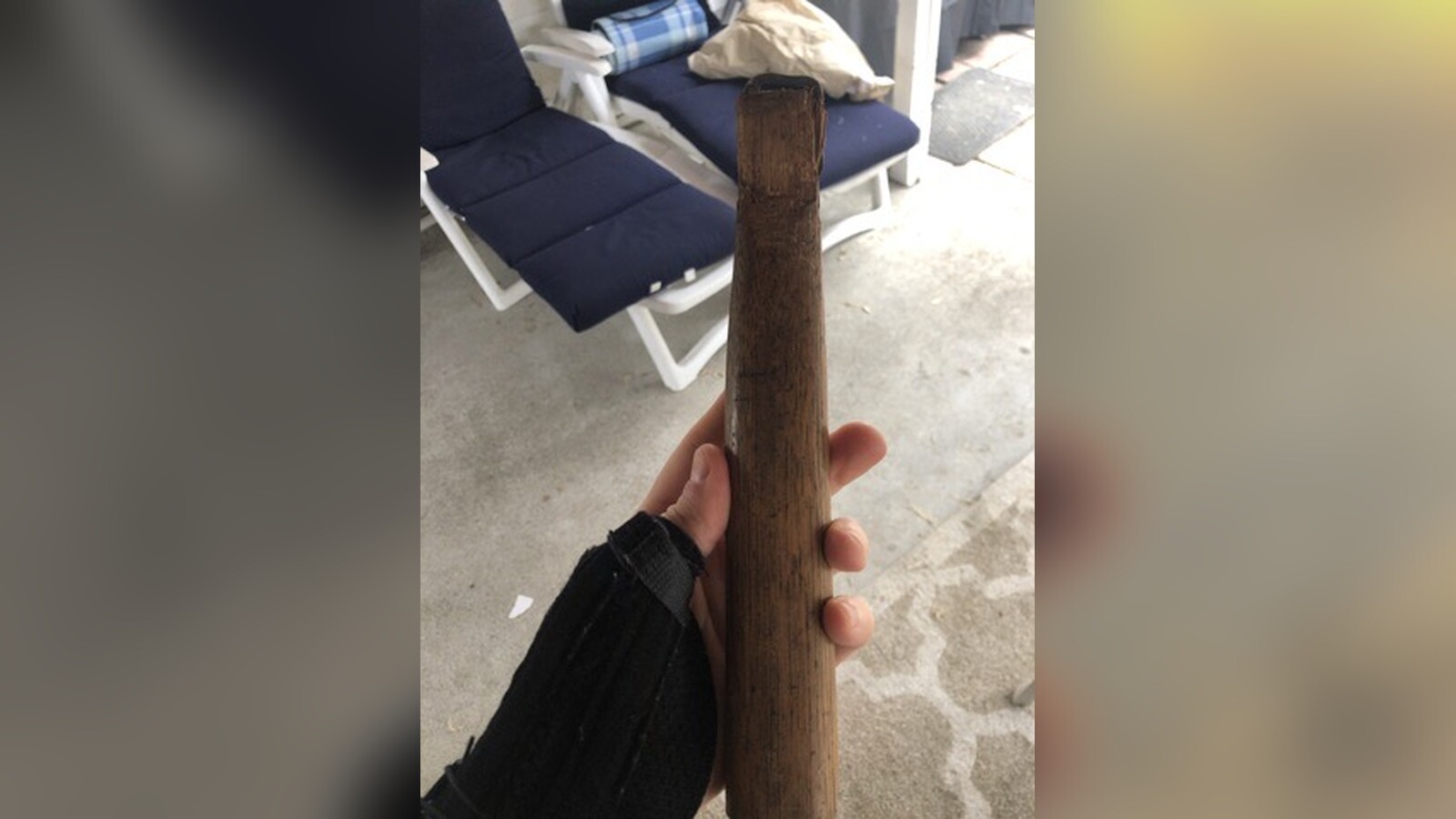
Thirty minutes before a call about TRX, I fell during a trail run and landed on a wrist that was already weak from an earlier injury.
I was on the call half an hour later. By the follow-up email, I knew the hand was broken.
The conversation was about TRX's digital work and whether there might be a role for me in it. I liked the company's basic assets, but I did not want to form an opinion from a presentation. I wanted to understand how people actually used the equipment, what the current digital product did, and what the next version was supposed to become.
I asked to experience the products that were already having the most impact. I wanted to see the digital offering as a customer would see it. I also wanted a session with the trainer the company considered most representative of TRX.
Then I sent a second email.
“Sorry for double email,” it began.
I explained that the fall had happened shortly before our call and that I had broken my hand. That was going to make it harder to experience the full range of a normal TRX workout. It also created a very specific product question: how much could the equipment and coaching adapt around an injury like mine?
This was still an exploratory conversation. I had not joined TRX, and I had not done the trainer session. I was trying to learn enough to have useful thoughts about the product and what the early work might look like.
Now I would be doing that with one usable hand.