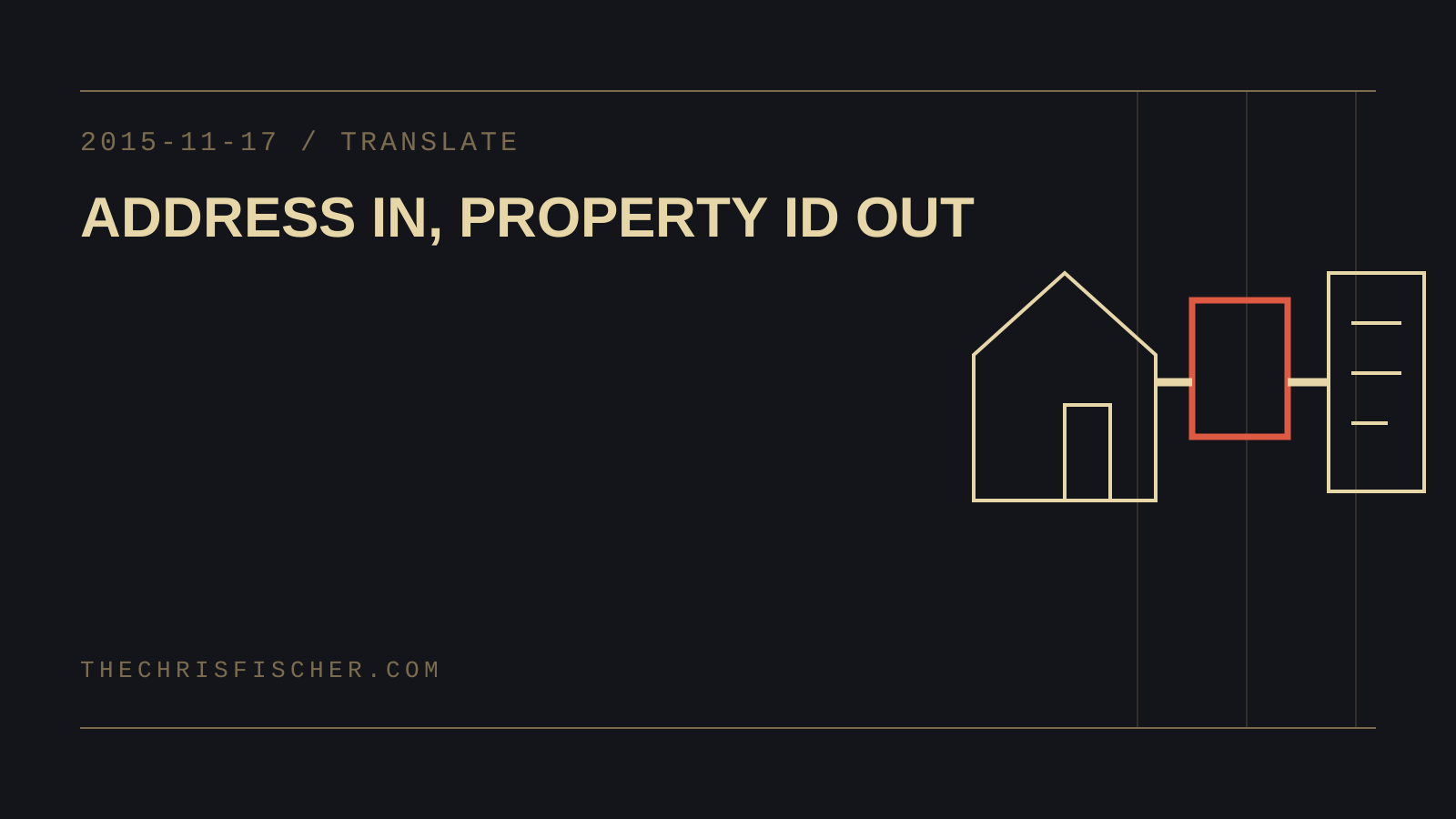
The customer had addresses. Reonomy had property IDs.
My team had spent a good chunk of time building the translator between them. The custom address-to-ID system was nearing completion, and I wanted the two engineering groups lined up before the integration work started.
I was preparing a document with the steps and rough timeline. It incorporated feedback from the customer's technical lead and kept the first version as simple as possible. Their existing loan system would send an address, connect it to the right Reonomy property, and gain access to the data needed for the workflow.
The larger idea could become more sophisticated later. Reonomy and the loan system might eventually push useful information into a broker's work instead of waiting for somebody to search for it. That was the direction, not the first delivery.
The immediate job was much less grand: finish the translator, agree on the integration steps, and make sure development work was required and understood on both sides.
I did not want the next meeting buried in a technical specification. The engineers could review the plan first. After that, the business and technical stakeholders needed to agree on the outcomes and rough timing so the project moved from theoretical to concrete.
This came a few weeks after we outlined an ownership-data path into Salesforce. Both integrations started with a small handoff into software the customer already used. Neither needed the final vision built before the first useful test.
I scheduled the technical review and held the larger meeting until the plan was solid. Address in, property ID out. Then we could build the next piece.