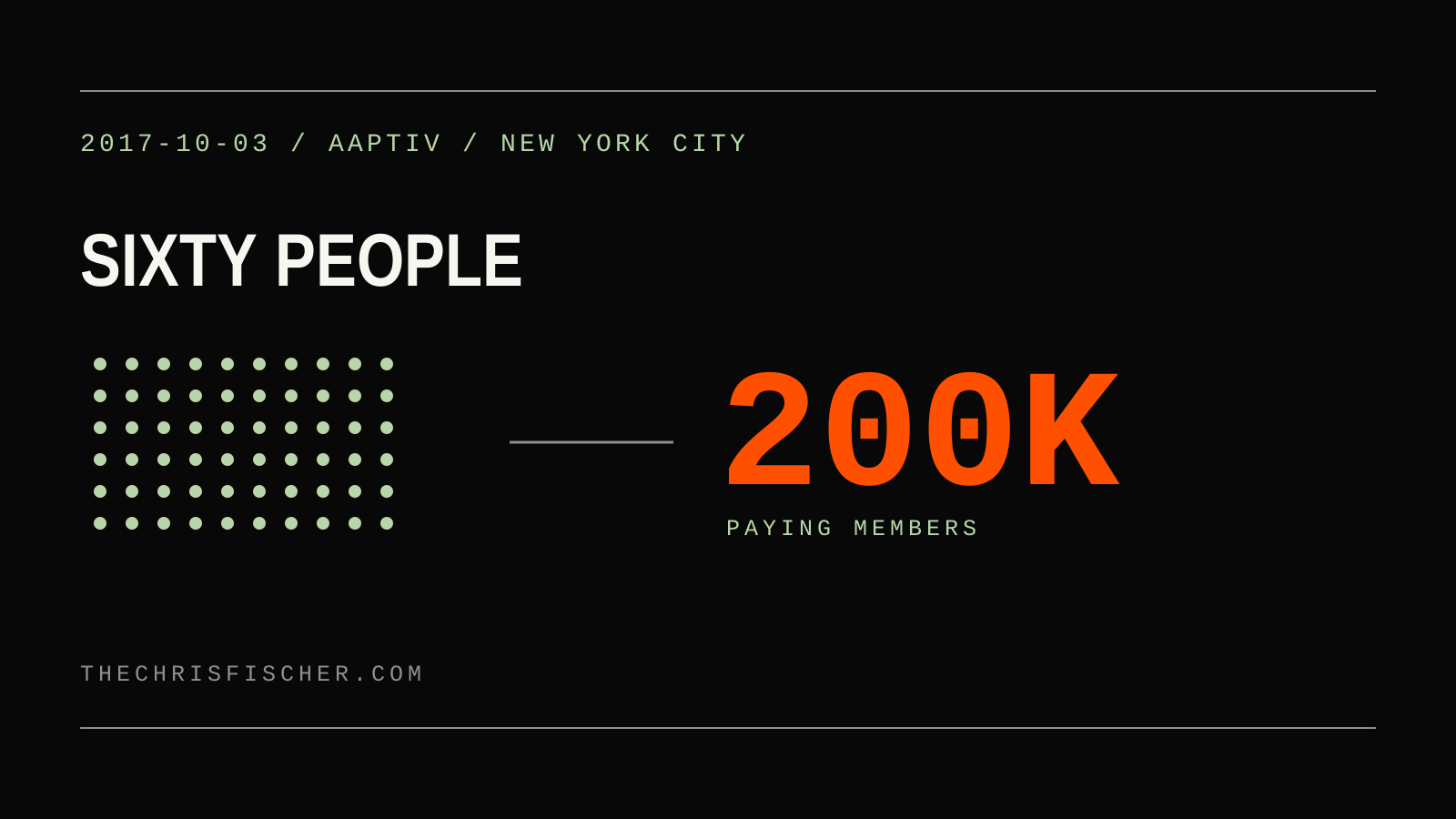
“We've grown like crazy.”
That was how I reopened a recruiting conversation with somebody I knew from Shutterstock. Aaptiv was up to about 60 people and 200,000 paying members. We had already hired a few other people from Shutterstock, and I wanted him to take another look at us.
My pitch was short. I gave him the two numbers and asked if he wanted to get another beer.
The team was much bigger than the one I had joined, but the work was still very direct. We needed more good people. We needed to make it easier for members to find a class. We needed to pay attention to what other fitness companies were putting in front of their customers.
A Peloton weekly schedule landed in my inbox that weekend. I forwarded it around Aaptiv and wrote down what I saw. It pushed new classes and small groups of related classes. It did a decent job showing the trainers. It did not offer much curation or many recommendations.
I wanted the team to look at it because the email made the choices visible. Peloton had a schedule full of 30-minute rides with a trainer, a time, and a button to book the class. Aaptiv was a different product, but we still had to answer the same basic question: what should somebody do next?
A few days later, a search inside Aaptiv returned nothing. The request was reasonable: an intermediate outdoor run, 30 to 40 minutes, with rock music.
That empty screen gave us two jobs.
The first was to recommend something useful instead of ending the conversation at zero. I estimated that the recommendation work was about a week of development and thought it was worth doing in a later build.
The second was to learn from the missing result. We were already logging every zero-result search. That gave us a list of content gaps based on what members were actually asking for and how often they asked for it.
The big member number sat next to a very small product problem. Somebody had asked for one reasonable class and we had none to show.
That was also why recruiting mattered. At 60 people, Aaptiv was no longer a tiny group where everybody could carry every problem. Product questions turned into engineering work, content work, and member communication. A search result could require all three.
I liked going back to people I had worked with before. There was less ceremony. They knew how I worked, and I knew what they could do. I could say the company had grown, give them the real numbers, and ask them to have a beer.
The answer this time was no. He was happy where he was and did not want to move.
That was fine. I told him I was glad he was loving it, said we should still get a drink, and asked someone to put it on the calendar.