Wolf of
Williamsburg

We’ve all heard of The Wolf of Wall Street. Williamsburg is not Wall Street.

I spent most of my tech career living and building in this neighborhood. I watched it change, and changed right along with it, while staying curious enough to chase every crazy idea that came along. Success was always more about the journey and the stories than the big payday.

This page is the timeline of that. Every company, side project, business, property play, hustle, and ridiculous commercial idea I’ve tried. The ones that worked, the ones that failed, and the ones that never made it past a conversation.

Right now I’m the co-founder and CPTO of Goodword, an AI relationship management platform. I’m also continuing Wolf Works, my growth and AI advisory practice, and launching Wolf Works Labs, an incubator and accelerator for early founders who need someone to build their MVP and help them raise financing.

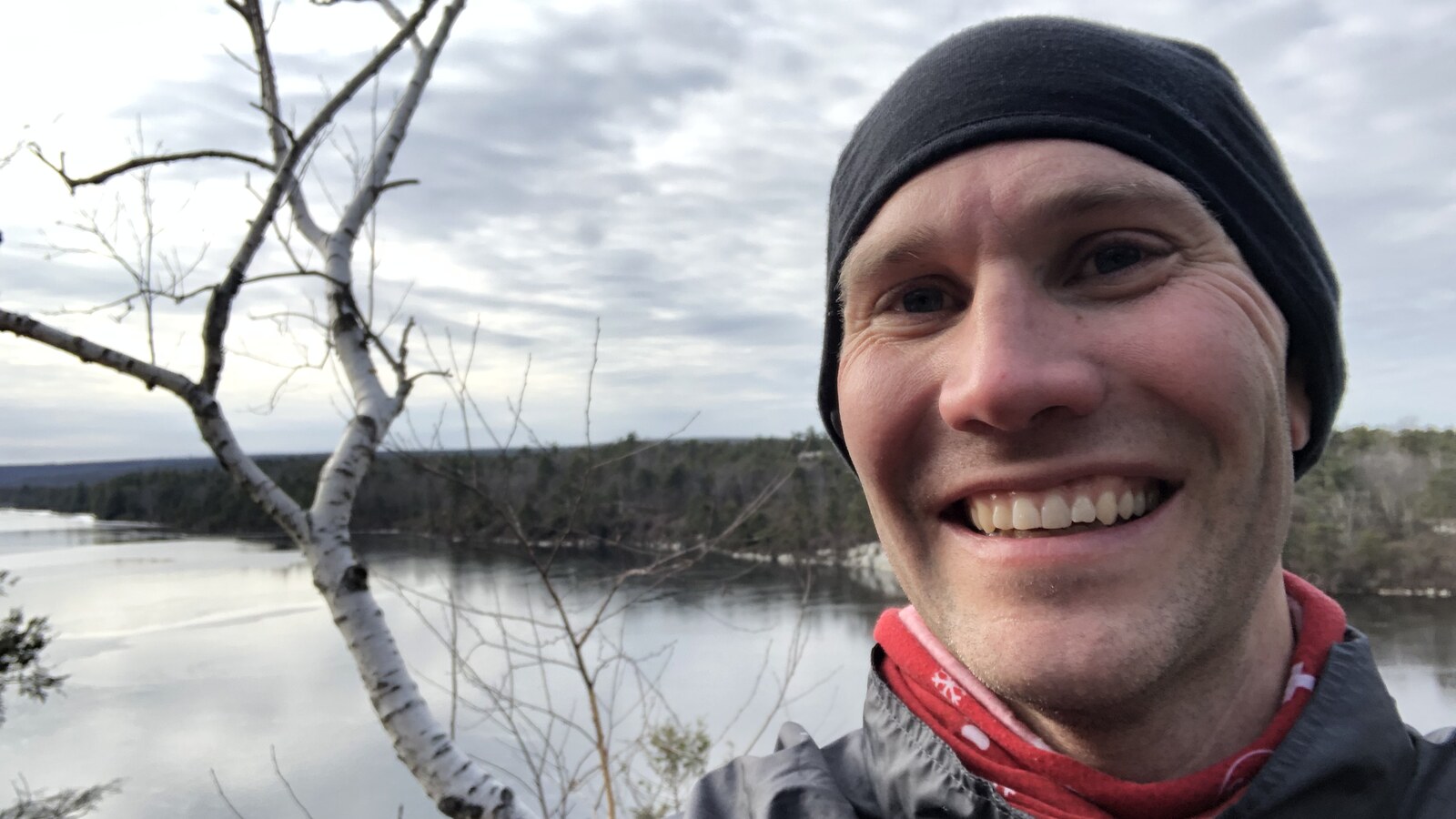
Wolf of Williamsburg in a black beanie, shirt and tie, black trousers and simple shoes, holding a steaming coffee

The endeavors.

The jobs, the companies, the side projects, and the things I keep coming back to. A lot of these were happening at the same time.

Get into the stories
All the companies & side projects

Find a thread.

Clear filters

110 stories mentioning Shutterstock. Newest first.

  1. The Long Way HereI build technology companies, work with startups, run and ride bikes, fix old houses, and start more side projects than I need.
  2. Email Chris@Loop's Alpha reached outside users, which meant TestFlight permissions, Chrome allowlists, refresh bugs, screen shares, and a support plan that mostly ended with emailing me.
  3. Burying the Lead a BitI applied to Chicago Booth without an undergraduate degree while a Wahoo offer, a house purchase, and Apply all kept moving.
  4. Skip That Bachelor'sCornell encouraged me to apply for its Executive MBA Metro NY program even though I never finished college. I got excited before I got careful.
  5. Tell Me the Truth, LinkedInAfter years of building startup teams, I started asking what a much larger technology company might offer and what I would have to give up.
  6. Nine Out of TenA recruiter suggested I talk to a venture firm. I explained the unfinished degree, years inside startups, and why most firms might still say no.
  7. The Wrong Kind of UnicornThree recruiters pitched senior engineering roles at giant companies. I sent them the same answer: impact, ownership, and an interesting problem.
  8. Sixty People, Two Hundred ThousandAaptiv had reached about 60 people and 200,000 paying members. I was recruiting, reviewing Peloton, and logging searches that returned nothing.
  9. The Network Kept WorkingA recruiter from Reonomy, a product colleague from Peek, and friends from the Shutterstock years all resurfaced while I built the team around Aaptiv.
  10. I Needed a Peaceful NightAfter thinking nonstop about an offer from Aaptiv, I declined because I still wanted to build a company from the beginning.
  11. More Interesting Than ExpectedA short conversation with Vimeo left important questions untouched, but the company itself gave me a reason to keep talking.
  12. Too Much for One CallA conversation about my Shutterstock years made one thing clear: I still wanted the mess and momentum of building early.
  13. I Need a ManagerI had let the management system slip while Reonomy grew, and the number of direct relationships was no longer workable.
  14. Nine Months, Crazy ShitA year-old introduction resurfaced after nine months at Reonomy, and the company already felt both brand new and a decade old.
  15. The Hole Before the RoadNine months after I joined Reonomy, a long onboarding email showed why new engineers needed the product history as much as the preferred architecture.
  16. CTO, Ironman FinisherA short 2015 bio tried to fit startup leadership, Shutterstock's IPO years, Reonomy, and endurance sport into one paragraph.
  17. I Quit the MoniesThe shortest explanation I had for leaving a public company to join an early-stage startup.
  18. One CalendarMy first full-time week at Reonomy started with one small, excellent change: three calendars had finally become one.
  19. One Last HandoffMy final week at Shutterstock was about transferring every remaining responsibility before starting at Reonomy.
  20. A Hundred Hours InRoughly 100 hours of early Reonomy work were enough to make me want to give the company my full attention.
  21. Training Fell ApartGetting sick, closing on a condo, and interviewing for a new job pushed training out of my schedule.
  22. The Deck Before the JobBefore I joined Reonomy, I made a deck covering cross-functional product teams, engineering leadership, hiring, and onboarding.
  23. Christmas Week Security CallDuring a possible Shutterstock account-security incident, I tried to get the technical investigation and customer communication moving at the same time.
  24. Do Not Contact My EmployerGoogle invited me to spend a day interviewing in New York. Shutterstock was not supposed to know.
  25. Storage Was Everybody's ProblemThe storage problem was too important to keep inside one operations circle, so I started identifying product owners and engineers to involve early.
  26. The Very Good News GraphCompleting the private MPLS ring moved data-center traffic behind the firewalls and changed the long-term capital curve.
  27. The Queues Hit ZeroA storage push reached 4.8 gigabits on the trackers, cleared the queues, and gave us room to retire devices more aggressively.
  28. $36 a MonthA first pass at Shutterstock's private-cloud economics put a large virtual machine at $36 per month against $260 in AWS.
  29. West Coast, One PanelA quick West Coast trip for an industry panel became another chance to connect the systems work at Shutterstock with the broader startup network.
  30. Everybody Was Getting DDoSedA roomful of infrastructure leaders confirmed that large denial-of-service attacks had become an industry problem, not a Shutterstock anomaly.
  31. Heartbleed, Then Everything ElseWe patched Shutterstock quickly, rotated security keys, and worked to tell customers what happened without implying a breach we had not found.
  32. London Forgot to Tell UsAn office move in London reached the technology team after planning was already underway, which made a small email into a process correction.
  33. Managers Need Training TooAs the organization added more leaders, a shared management workshop offered a way to build continuity instead of leaving everyone to improvise.
  34. Build the FortressA sustained DDoS attack forced us to abandon the original tunnel design and build private paths into our mitigation provider.
  35. The Empire State Went DarkA Sunday power issue sent us back into the new office to verify network rooms, battery systems, and supplemental cooling.
  36. Break It on PurposeA failed firewall had left the production pair out of sync, so the safer choice was a controlled maintenance window instead of waiting for another failure.
  37. $2 Million Before MidnightThe last day of 2013 ended with major infrastructure orders, spare transceivers, and the practical consequences of a year-end deadline.
  38. $4.6M Became $2.4MA year-end network purchase moved from a $4.6 million list price to $2.4 million after discounts and negotiation.
  39. Move First, Network LaterThe Empire State Building office could open, but bandwidth would arrive in stages and the final design was still months away.
  40. Dinner With the Infrastructure PeopleA post-Thanksgiving invitation from General Catalyst was a reminder that the infrastructure community was becoming part of my work too.
  41. Everyone Ships CodeAt the 2013 OpenStack Summit, I explained how Shutterstock provisioned virtual machines and physical servers through one automated system.
  42. Storage Got FastA sharp improvement in storage latency came from spreading writes across nodes and throttling network traffic in the kernel.
  43. Zero Under-Replicated BlocksFour new Hadoop data nodes pushed an important storage health metric all the way down to zero.
  44. 800,000 a SecondDatadog was interesting, but Shutterstock's monitoring volume meant the useful experiment was smaller and more specific than sending everything offsite.
  45. Two More ThingsA work-from-home Friday still had two storage jobs on the list: enable a read slave and verify the correct load balancer.
  46. Double ItA one-line Friday instruction captures the long, unglamorous work of moving a very large storage system.
  47. Can We Publish This?A request to publish Shutterstock architecture diagrams became a small lesson in supporting engineers who wanted to teach in public.
  48. Same Tools, Different SizeDev, QA, and production did not need identical scale, but they did need the same tools, deployment path, operating system, and testing discipline.
  49. Hack to the FutureOur Shutterstock hackathon project did not win, but the demo landed and the idea was good enough to keep building.
  50. Please Give Us IPv4A late-June ARIN update records the administrative work behind obtaining public internet address space for Shutterstock.
  51. We Needed More HumansA June recruiting email described Shutterstock's WebOps team as it looked for operations engineers for the company's next phase of growth.
  52. Make the Outage PublicA simple public Shutterstock status page pulled product, social, and infrastructure into the same work.
  53. Search Had One GuyA departing specialist created a knowledge gap around Shutterstock's search infrastructure and started a discussion about coverage and hiring.
  54. Thirteen Minutes DownA missing configuration in a new deployment system took a Shutterstock service offline for thirteen minutes.
  55. Ten Minutes. Go.The first opportunity assessments for Shutterstock's technology syndicate were ready for a ten-minute leadership review.
  56. 110 Days to GoA storage rebalance was about ten percent complete after twelve days, with an estimated 110 days still to run.
  57. Who Owns This?A March thread asked whether Shutterstock had formal technical owners and started a written process for defining the role.
  58. Offsite: Uptime FirstThe agenda for a March technology leadership offsite started with service uptime, programming languages, syndicates, and more consistent environments.
  59. AWS Was Still ThereAn internal question in February 2013 asked when Shutterstock's development and QA environments would move from AWS back to the office.
  60. Put It on the WallShutterstock restored office monitors showing overall system health, automated tests, and search speed where the teams could see them.
  61. More RAM. Again.A January hardware plan counted the memory modules needed for Shutterstock's search and database servers.
  62. The Circuit Waited for MeA short Monday email asked me to help the Shutterstock team work through a weekend network circuit outage.
  63. Humans Worked. Alert Failed.The Shutterstock mobile site worked when we tested it by hand, but one automated check still failed and needed an owner.
  64. Apparently I Wanted EverythingA few weeks after Shutterstock went public, I planned a marathon, two half Ironmans, Leadville, a long swim, and several time goals for 2013.
  65. Define DevOpsA friend needed a DevOps hire. Before naming anybody, I needed to know what he meant.
  66. Provided the Price SticksShutterstock went public. A friend asked if I was a millionaire. My answer was not quite.
  67. Calling From a Wine CellarA monitoring demo followed me from San Francisco to the mountains to Napa, where the only honest location update was the wine cellar.
  68. One Second Broke EverythingA leap second hit the servers while family was visiting, and the phone would not stop being part of the room.
  69. Bring Him InA technical recruiting conversation moved from an introduction to a phone call to one short decision.
  70. We FiledShutterstock's S-1 became public, and I sent the link to my family with a late Mother's Day call.
  71. Quiet Rack, PleaseThe new office equipment had two requirements: keep it enclosed and do not make the room sound like a data center.
  72. No OutageA week after postponing the work, Shutterstock moved its main databases to Boston without taking the site down.
  73. Still HereThe whole operations team was still provisioning a new data center, so the next database cutover could wait.
  74. Boston Takes the TrafficThe web servers had moved. Next came the part customers could actually hit: production traffic.
  75. Make It FasterA new Akamai product might speed up more than static images. First, it had to work on the real site.
  76. Moderately CrazyShutterstock had grown. The office network had grown with it, just without much of a plan.
  77. Make Local WorkThe infrastructure goal was basic: every developer should have a standard environment that worked on a laptop.
  78. Someone Should Build ThisA side-project idea started with a simple gap: site-speed tools were expensive, slow, and built for big companies.
  79. Before Monday Showed UpWe put real load through a new Shutterstock network layout over the weekend and found a bottleneck before Monday traffic arrived.
  80. Tech Happy HourEvery other week, the technical team stopped working long enough to eat and drink together.
  81. Best Man, Partly Remote?I asked to work part of my brother's wedding week remotely and take the wedding days off.
  82. One Petabyte. Three Sites.An October announcement draft documented more than one petabyte of Shutterstock storage across three sites.
  83. The Graph DroppedA speed release aimed at distant users landed, and the first measurements moved in the right direction.
  84. Two More CabinetsI asked our provider for one or two short-term data-center cabinets, preferably month to month.
  85. How Long on Diesel?Hurricane Irene produced one blunt question about backup power and time.
  86. Contributors Couldn't UploadAn upload-server issue blocked part of the contributor base while the team restored storage and explored a reroute.
  87. Four Rooms, One HangoutDevelopers and WebOps troubleshot one issue from two Manhattan floors, Denver, and my apartment.
  88. OutstandingMy performance review came back marked outstanding, with a raise behind it.
  89. Get AggressiveI wanted to move the MogileFS conversation from research toward the real Shutterstock and Bigstock libraries.
  90. Three to Six-ThirtyThe site stayed up through an overnight database and search problem whose cause was still unclear.
  91. Typos Were InfrastructureThe DNS migration started with a long inventory of domains, brand variations, and names collected over time.
  92. Everything Was My JobMy responsibility list kept growing until the breadth of the role became the problem.
  93. Tier I, PleaseThe 2011 email said “Tier1,” but the real idea was to use the facility as a foundation for infrastructure we designed ourselves.
  94. Eight to Ten SecondsThe maintenance plan accepted one small site blip to reduce a much larger power risk.
  95. Data Server IssuesIssues around the data servers had contributed to a recent outage, so I asked for a conversation that day.
  96. Replication LagReplication lag had shown up again, and I wanted systems and development looking at it together.
  97. Recruiters Tried to Hire MeAn outside recruiter rewrote our job post and pitched me the role I was trying to fill.
  98. Kill Spanning TreeThree of us went to the data center to replace the old switches and simplify the network.
  99. Still a Little SpikyA smaller log sample made the error graph easier to read, but the monitoring experiment still needed a second opinion.
  100. The Firewall Didn'tA failover failed, the console path worked, and my laptop was sitting at happy hour.
  101. Fun ShizMogileFS, Xen, deployment graphs, and a weekend in the office sounded like a good time.
  102. Call Me When It Goes DownTwo months into Shutterstock, I asked the systems team to call me for every critical alert while I learned the environment.
  103. Seven Months of StartupsIn a fast stretch, I moved from Peek to a hosting company, then joined Shutterstock and kept Ops Dojo going on the side.
  104. One Terabyte, Three CopiesI changed the copy path for more than a terabyte of data to reduce load on the production systems.
  105. I Love BIND FilesI set up PowerDNS with a MySQL backend because database records were easier to automate than hand-edited BIND files.
  106. Four Days BehindI answered a Volkswagen-van naming thread four days late and suggested Axl.
  107. Goodbye by EmailMy last day at Reality Check passed inside a chaotic weekend, so the proper goodbye came later.
  108. I Officially AcceptedThe second conversation with Shutterstock ended with a Director of Systems Operations job.
  109. One More ShotSeven months after turning down one Shutterstock job, I asked the company to take another look at me.
  110. Passion Now. Safe Later.Facebook, Shutterstock, and Reality Check offered three different futures. I chose the fifteen-person hosting company.