I turned 40 and flew to Phoenix three days later.
The flight was not a birthday trip. Mom needed some family time in Arizona, and there were still things to handle after Dad died. I moved a few work conversations, booked a ticket the night before, and told people I would be on West Coast time for the week.
One call ran late because Mom and I were talking with an estate attorney. I sent a note asking to push the next meeting by fifteen minutes.
That was the personal side of the week.
Turning 40 did not come with a revelation. I did not wake up with a list of lessons or decide to reinvent myself. I booked a flight, moved calls, sat with Mom, and handled the next thing in front of us.
The birthday still made the timing hard to miss. Dad was gone. Mom needed help. I was between full-time jobs for the first time in a long time. A company on the other side of the country was asking me to decide what the next chapter should cost.
The professional side was an offer from Pinata.
I had given myself until the end of the first quarter to take a new role. Pinata was now close enough to stop being an interesting conversation and start becoming a real decision. The company increased the cash part of the offer while keeping the bonus and equity pieces in place. The CEO asked whether the new version would work and offered to prepare the formal letter.
I read the note in Arizona.
“That generally sounds good!” I wrote back. I said we could consider the cash and bonus verbally agreed. Then I asked for the equity documents.
That was not a small detail. The job was a startup role, and a meaningful part of the value was in stock options. I wanted to know the strike price, total shares, vesting terms, and what happened to vested options if I eventually left the company.
The standard agreement gave an employee three months after leaving to exercise. That can become a very expensive decision if the company has grown but the shares are still private. I asked for a longer window so I could keep vested equity without having to immediately put a large amount of cash into an illiquid company.
The company had never approved that kind of extension in advance. They were willing to ask the board, but they did not expect to get anywhere near the ten years I proposed.
I explained why it mattered. If equity was going to be a major part of my compensation, I needed a reasonable path to retain it. Otherwise the percentage on the offer could look valuable without being practically ownable.
This was not me asking the company to guarantee an outcome. Startup stock is a bet. It can become valuable, stay worth exactly what it was on day one, or disappear. I was comfortable with that part.
The avoidable problem was earning the options, leaving years later, and then getting ninety days to spend a large amount of cash and pay the related taxes while the stock still had no public market. That structure can turn a good grant into a decision most employees cannot afford.
I wanted the risk to be in whether the company succeeded, not whether I could write a giant check fast enough after leaving it.
Nothing was signed yet.
I was still taking other calls. Wondery reached back out about a position and I scheduled time. Another founder wanted product help. A venture firm was sharing companies from its portfolio. The search remained open because the Pinata offer remained open.
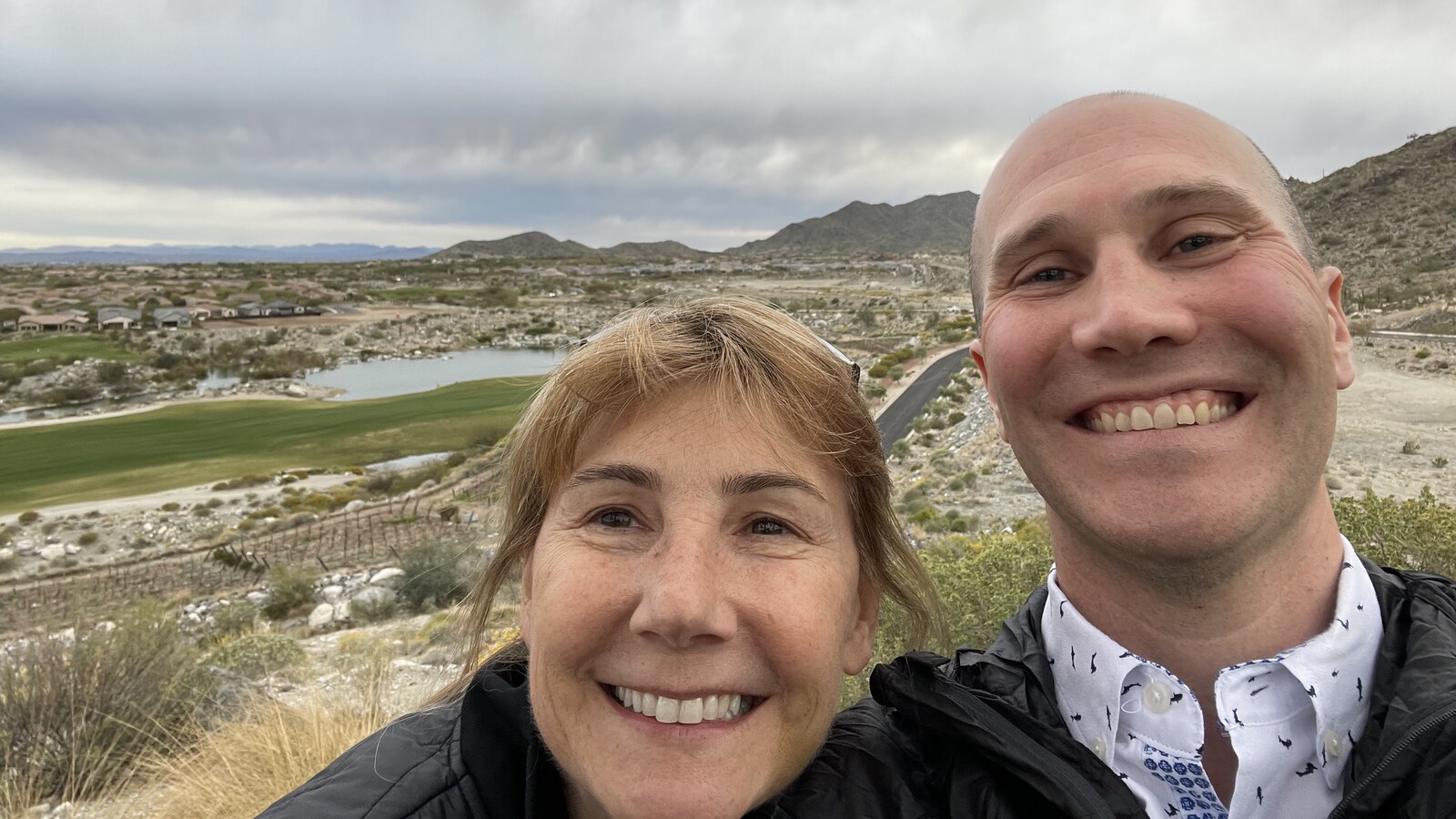
The photograph from Arizona is Mom and me smiling in the hills outside Phoenix. The week itself was not one clean emotion. I was happy to be with her. We were dealing with the work that follows a death. I had just turned 40. A new professional chapter was close enough to negotiate and still far enough away to disappear.
Cash agreed. Equity unresolved. Flight home Saturday.