Magic Eraser came first.
The rest of the list grew quickly: paint touchups, talk to the rental manager, finish a few small modeled parts, clean the deck, deal with the yard, remove old material, schedule photos, and sort out the permits.
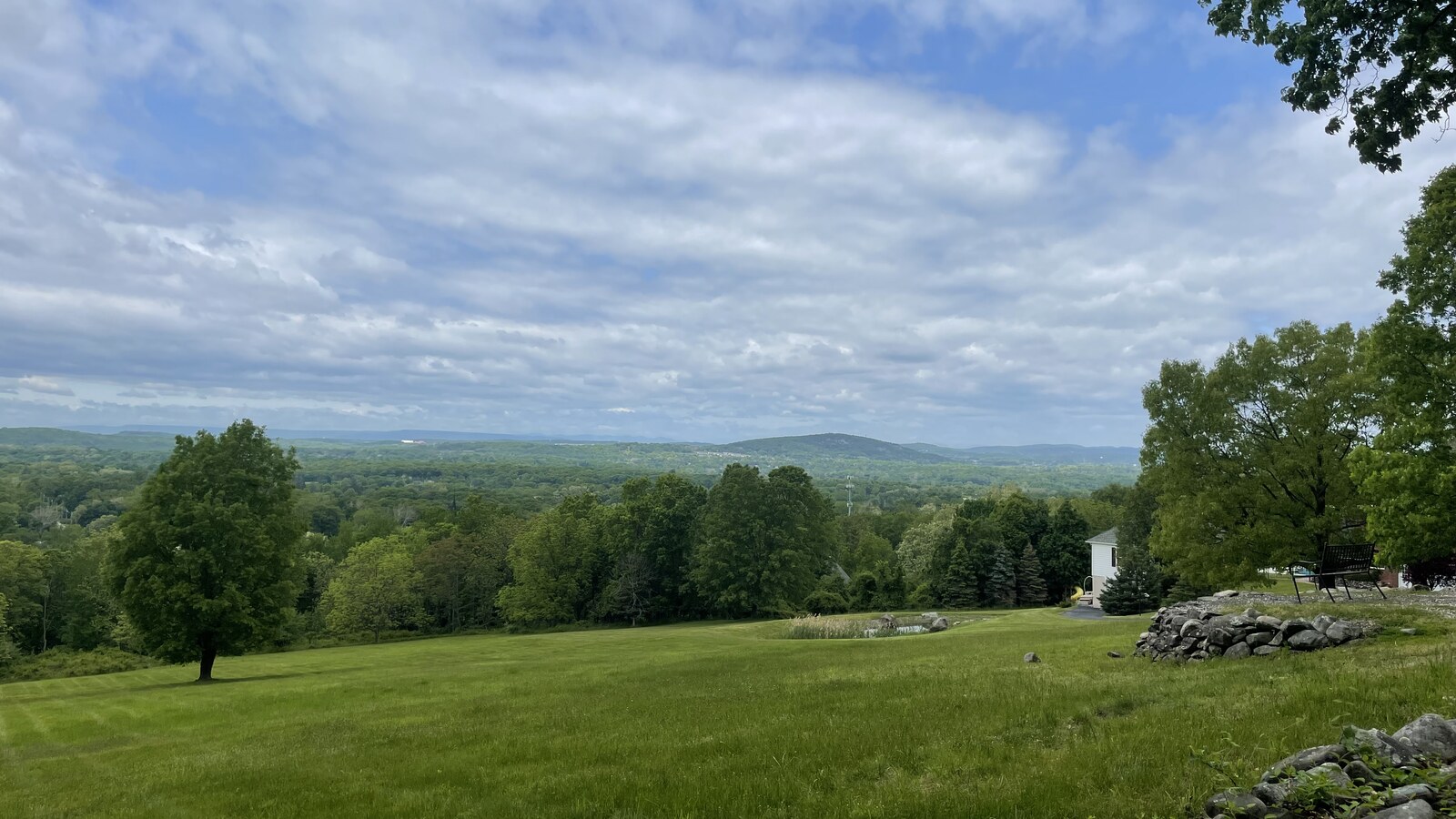
I wanted to get the Cornwall house ready for short-term rentals. From the lawn, the place already looked ready. The grass was green, the Hudson Valley opened up below it, and the house looked clean from a distance.
Close up was different.
Spring had left debris, pollen, spiderwebs, and grime around the exterior. The deck needed sweeping. A pile of old pallets and building material was still sitting beside the driveway. There were small things inside that looked fine until I imagined a guest finding them.
I started taking photos instead of trusting the wide view. Front stairs. Deck boards. Fence. Patio stones. Ceiling lights. The pile by the driveway. Then I photographed the handwritten task list too.
The bulk-pickup request bounced because I had the wrong town email address. That turned one small task into another search, another number, and another call. The pressure-washing conversation became a choice about which surfaces needed work now and which could wait. The rental-management thread was still waiting on approval.
Two days later I described the schedule as septic service, a car drop, an exterminator, a power washer, parking, an Airbnb photo shoot, and permits. It sounded ridiculous written as one sentence because it was ridiculous as one week.
None of the jobs was especially large. That was the problem. A large job earns a project plan. Ten small jobs are harder because each one looks like it can fit around everything else.
By the end of the month, the permit application was moving and somebody had already taken the trash before the next visit. I pushed the pressure washing and kept working through the rest.
The wide photo still made the place look finished. The close photos did not.