The MRI had an opinion about Berlin.
It voted no.
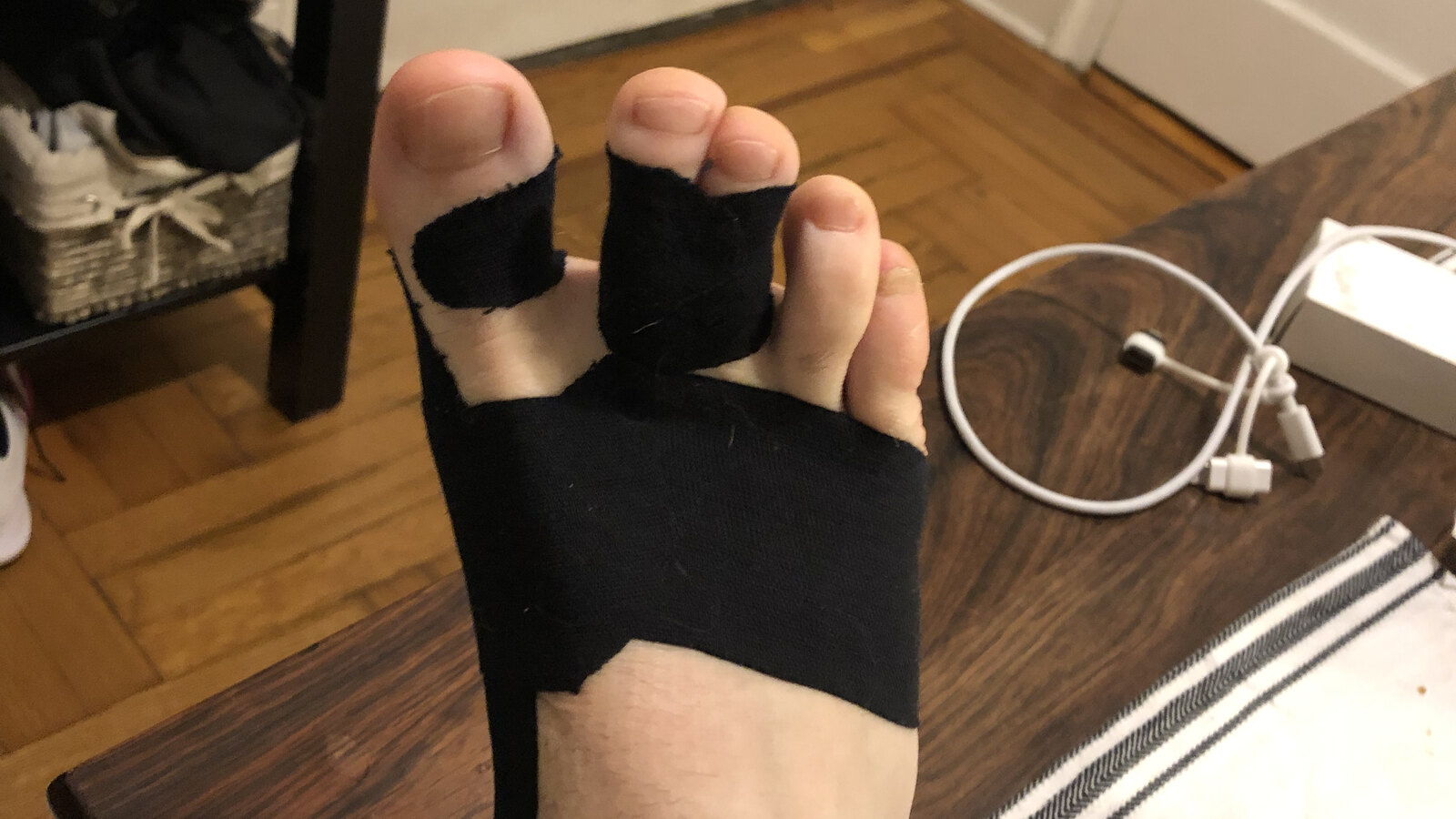
The first guess had been a stress fracture in my right foot. I had an ultrasound, taped the forefoot, and scheduled an MRI. The pain was already feeling a little better by the morning of the scan. I tried regular shoes, then Hokas, without a walking boot.
The scan ruled out a fracture or stress reaction. That was the good part.
It also found a chronic partial tear involving the intersesamoid ligament and the central plantar plate. There was mild swelling and damage around the first metatarsal joint.
That was the part that mattered for running.
I was registered for the Berlin Marathon on September 29. The race was only a month away, and I was being told to use a boot for three to six weeks.
The math was not complicated.
I sent the cancellation and deferral form on August 28. I wrote that a recent injury meant I could not compete that year and asked to participate in 2020. The organizer confirmed the next morning that the form had arrived.
The result still bothered me more than my usual collection of running problems. It felt close to the foot trouble that had sidelined me in college. I wanted another opinion and booked physical therapy appointments for the next five weeks.
I was also coaching runners who were dealing with their own sore feet. My advice to one of them had been to recover properly and rest a little now instead of being forced to rest much longer later.
That advice was better when it was for somebody else.
I asked whether swimming was safe. If swimming was out too, I said I would play board games.
Berlin was deferred. The boot was next. Board games remained available.