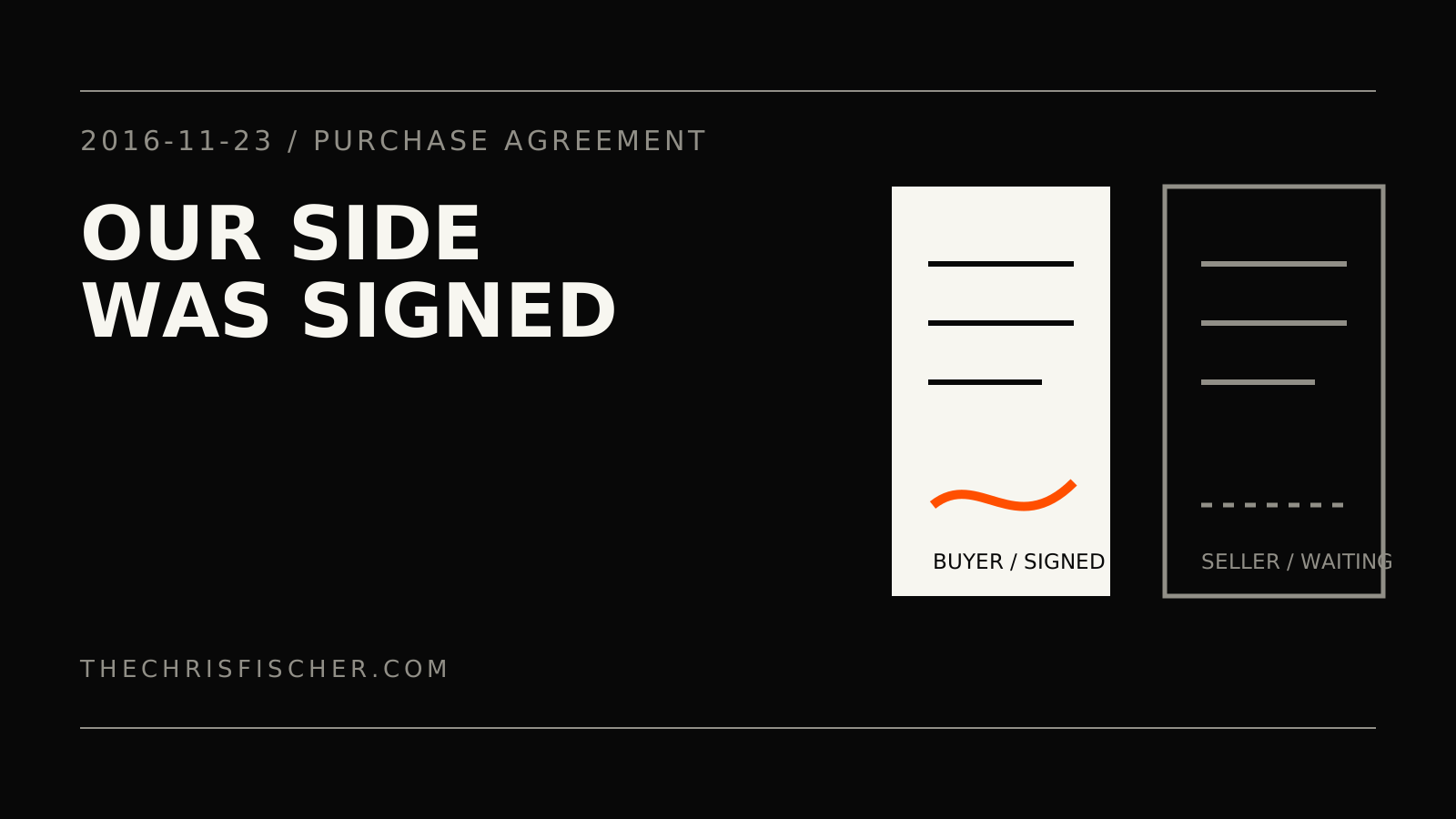
We had a signed purchase agreement on our side.
The mobile-home-park search had come a long way since the summer trip when the project started getting too real to call an idea.
My partners and I had returned to Missouri for two more days of diligence. We took photos, checked measurements, reviewed the rent roll, and kept working through the operation one question at a time.
The purchase agreement moved much more slowly.
Our lawyer needed final schedules and supporting documents. The seller wanted an update. I told them things were advancing and that they should expect something soon.
Meanwhile, the rest of the deal was becoming real around the agreement. We spoke with an environmental firm about inspecting the property. A lender sent a list of what it needed to evaluate the acquisition. The list included years of operating information, current rents, property photos, and a plan for the next year.
Every new conversation created another document request.
The revised purchase agreement arrived just before Thanksgiving. Our lawyer had not reviewed it yet and his office was about to close for the holiday. I asked for an early call the next morning. The document looked good to us, and we wanted to get it finalized.
We spoke, signed, scanned, and sent it back.
I asked the lawyer to forward our signed agreement to the seller and tell them we were ready for the next step. Their lawyer passed it along but warned that the seller might not sign until after the holiday.
That distinction mattered. We had signed. The seller had not.
The park was not ours. The deal was not closed. A signed document from one side was still the furthest this strange little real-estate project had gone.