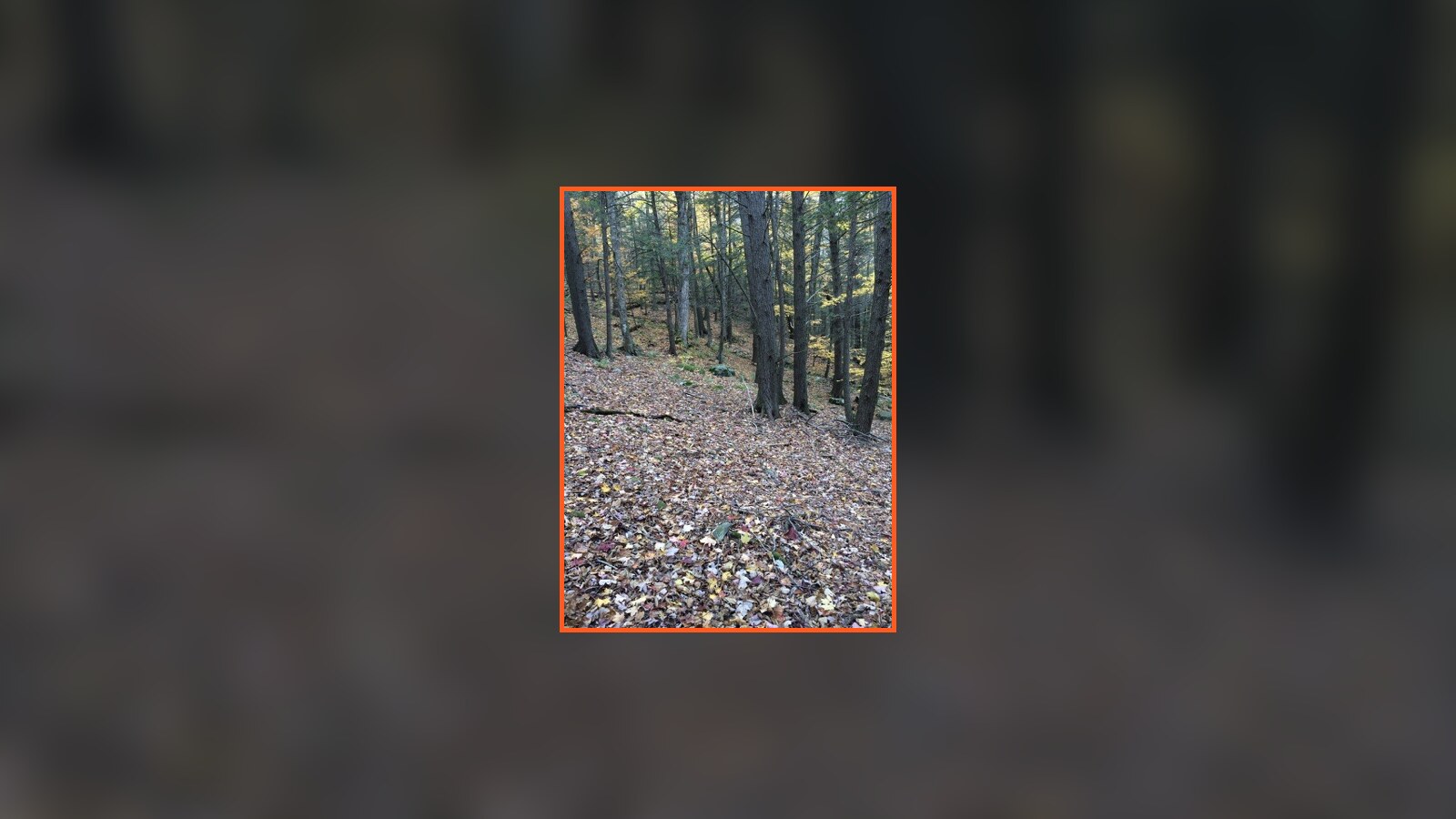
The parcel looked flatter on the map.
I had spent the previous two weeks digging through the paperwork for a wooded piece of land near Woodstock. The deed, easement, flood maps, liens, and ownership history all gave me pieces of the story. None of them showed what it felt like to stand there.
The visit put trees around all of those documents.
Access had been the big question during the first round of diligence. The useful part of the parcel sat away from the obvious entry. Reaching it might require switchbacks, stairs, or another approach that was hard to judge from a property map.
The walk was dense woods and uneven ground covered in fallen leaves. There was no house to inspect, no finished driveway, and no front door. It was a possible vacation-home project that still began with finding a practical way through the land.
I had been excited to make the visit. That did not make it a purchase. Walking the parcel was another diligence step, the physical version of checking the records and asking why the land had changed hands the way it had.
The idea was appealing because it was raw. It was also harder for exactly the same reason. My Portland loft already had a mailed key and a smart lock. This place was trees, slope, access, and a lot of questions before anybody could think about a building.
I took a few photos and kept looking. The map had been useful. The walk made the project real enough to evaluate.